Ready to swap a long commute for morning light on the bay and forested lunch breaks? If remote work gives you flexibility, Traverse City and nearby Leelanau offer small‑town ease with big‑life amenities. You want reliable internet, realistic housing options, and a plan for winter and summer crowds. This guide covers the essentials so you can move with confidence. Let’s dive in.
Why remote workers choose Traverse City
Traverse City anchors northern Michigan with a balance of nature, culture, and access. You get a regional hospital hub, a user‑friendly airport, and a growing fiber network that supports serious work from home. The lakes, trails, and wineries add everyday texture without losing a calm, year‑round pace outside peak summer.
Healthcare access is a major plus. Munson Medical Center is the region’s referral hospital with advanced specialties and a verified Level II Trauma Center, which offers peace of mind for families and frequent travelers who prefer to stay close to home for care. You can learn more about its capabilities on the Munson Healthcare site.
Travel is straightforward. Cherry Capital Airport (TVC) offers year‑round flights to major hubs and adds seasonal routes in the summer, which reduces travel time compared with driving to larger metro airports. For a small city, this convenience is a standout.
Seasonality shapes daily life. Summer brings visitors, boat traffic, and full patios. The National Cherry Festival alone reports about 500,000 attendees in a typical year, which can tighten hotel and rental availability and increase traffic. From September to May, you feel a quieter rhythm with room to breathe.
Housing snapshot and where to look
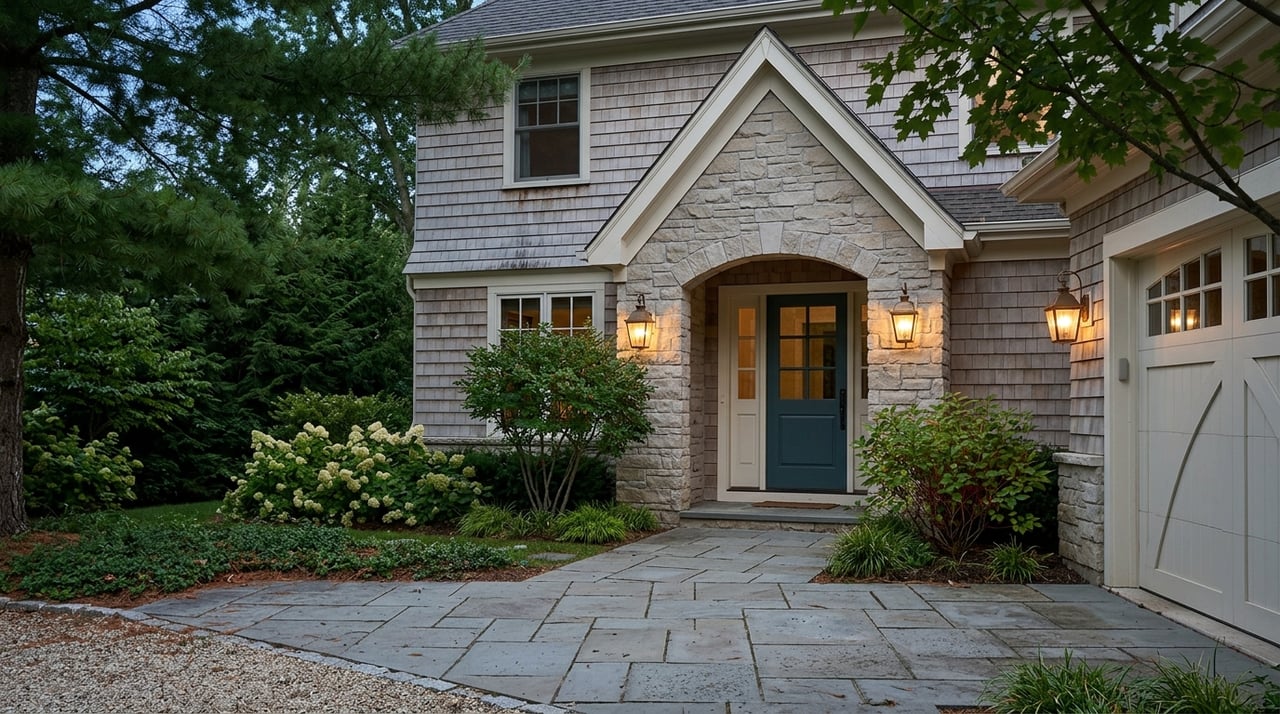
You will see a range of options, from downtown condos and older bungalows near the bay to suburban single‑family homes in places like Acme and Kingsley. Waterfront homes on Old Mission Peninsula and across Leelanau tend to command premium prices and attract strong seasonal interest. Rural properties farther inland offer acreage and privacy if you prefer extra space.
Price signals vary by source. As of January 2026, Zillow’s city‑level Home Value Index places the typical Traverse City home value around 425,000 dollars. Keep in mind that city indices, median sale prices, and county listing medians often differ because they measure different things. Focus on recent, apples‑to‑apples data when you budget and compare across neighborhoods.
Second‑home dynamics matter in Leelanau. A meaningful share of properties are not used as primary residences, which can reduce year‑round for‑sale inventory for full‑time buyers. If your goal is a primary home, ask about neighborhoods with steady year‑round residents to understand off‑season rhythms, snow removal norms, and everyday services.
Short‑term rental rules vary by city and township and change with council votes. If you plan to operate a rental or want clarity on neighborhood mix, review current municipal codes and meeting minutes for the area you are considering. Local reporting highlights ongoing policy updates, so start with a high‑level regulatory briefing that tracks changes and confirms whether certain projects prohibit STR use.
Internet and work infrastructure
You can work here with confidence if you verify service at the address level. Traverse City Light & Power is building an all‑fiber municipal network, and its updates show which neighborhoods are live or in progress. In Leelanau and surrounding townships, private providers have expanded fiber and cable in stages, but availability is not universal yet.
Household broadband access is strong overall. Recent U.S. Census QuickFacts show broadband subscription rates above 90 percent for households in Grand Traverse and Leelanau counties. That said, the technology mix still varies by street. For mission‑critical work, aim for one wired option plus a tested backup.
Mobile and backup options fill gaps. Many rural residents use satellite or 5G home internet as a secondary connection. Before you sign, check your carrier’s coverage, then test a hotspot on site. You can compare reception with tools that show Michigan mobile coverage by address and road segment.
- Check municipal fiber availability: review TCLPfiber neighborhood updates.
- Verify address‑level speeds and installation windows during your visit.
- Plan a backup: a hotspot, signal booster, or satellite service can keep calls stable during outages.
Coworking and professional community
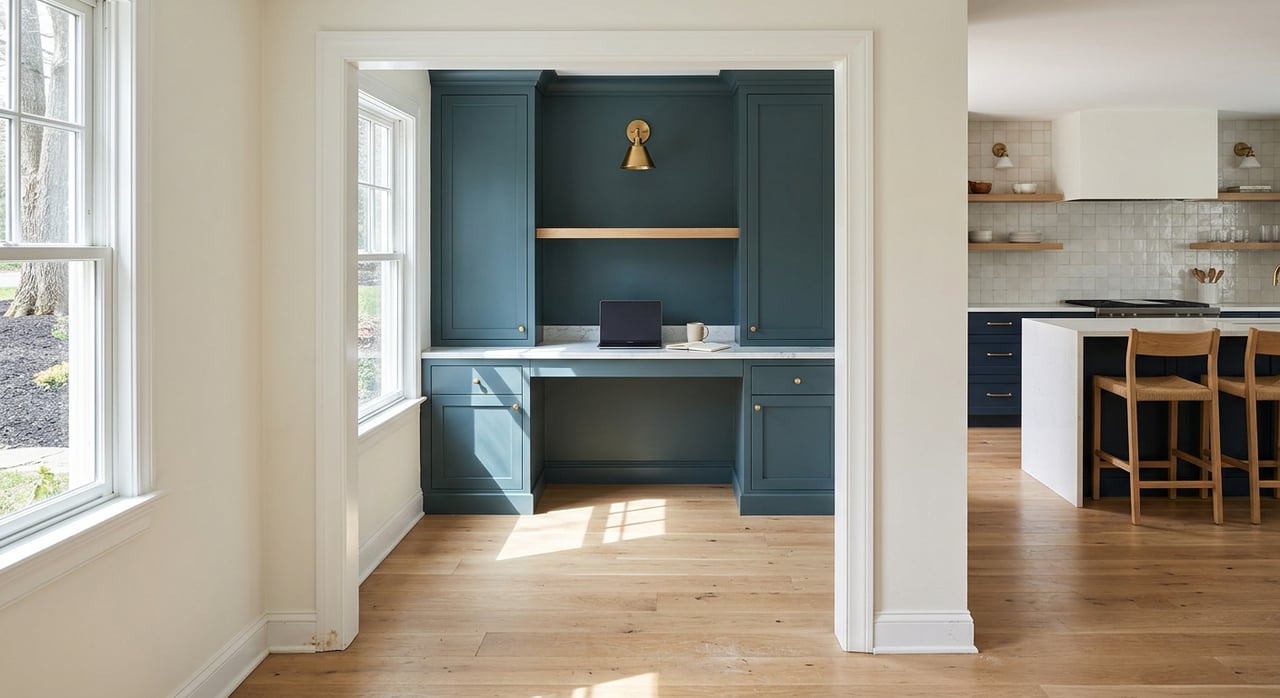
If you like a change of scenery or need meeting rooms, you have options. 20Fathoms offers an innovation hub with day passes, dedicated desks, and community programming that helps newcomers plug in. Try a day pass during your scouting trip to test Wi‑Fi, noise levels, and power access at the hours you normally work. You will also find smaller coworking lofts and incubators downtown that add flexibility to your week.
Everyday logistics: climate, transit, and seasons
Winter is part of the story here. Expect cold, snowy months with lake‑effect variability. Budget for winter tires, routine snow removal, and higher heating costs, and consider a vehicle that handles unplowed mornings. The payoff is a peaceful, bright winter landscape that makes spring feel especially good.
Local transit can simplify short hops and seasonal crowds. The Bay Area Transportation Authority runs city loops, the free Bayline east‑west route, and on‑demand service across Grand Traverse and Leelanau. If you are car‑light, learn the routes and download their tools before you arrive.
During the National Cherry Festival, shuttles increase and traffic patterns change. Plan ahead for appointments and airport runs, and book lodging early if you schedule your scouting trip in July. Off‑peak visits in fall or late winter give you a clearer view of everyday pace and commute times.
Your 1–3 day scouting trip plan
Use a short visit to answer work and lifestyle questions before you buy.
- Stay near your target neighborhoods. Book downtown, Old Town, Old Mission, or a Leelanau village, and include at least one weekday to feel real work‑week rhythms. Summer stays fill quickly during the National Cherry Festival, so consider a fall visit to see the year‑round picture.
- Test internet, not just availability. Run a speed test at your rental during business hours, join a few video calls, and confirm which providers can install at the exact address. TCLPfiber posts neighborhood progress that can help you time your move.
- Check cell coverage in multiple spots. Walk the block, visit a coffee shop, and test calls at different times of day. Tools that map Michigan mobile coverage can guide you, but real‑world tests matter.
- Try a coworking day. Grab a day pass at 20Fathoms to evaluate Wi‑Fi, phone booths, and meeting rooms. Introduce yourself and ask about local events or founder meetups.
- Map healthcare. Visit Munson Medical Center, note urgent care options, and time the drive from neighborhoods you like.
- Learn transit and parking. Review BATA routes and test a ride if you will rely on transit for occasional trips.
- Ask about rules and rhythms. Meet a local agent to discuss seasonality, neighborhood mix, and short‑term rental regulations before you commit.
Budgeting essentials for remote relocators
Build a realistic monthly picture beyond your mortgage payment.
- Mortgage and purchase costs. Price your payment using a recent local benchmark and current rates, then add property taxes, homeowners insurance, and HOA fees if applicable.
- Utilities. Line up electricity, heating fuel, water and sewer, trash, and broadband. Confirm fiber or cable install fees and plan pricing. Start installation requests early since appointment windows tighten in summer.
- Maintenance and seasonals. Budget for lawn care, snow removal, and specialty items like dock storage or winterization if you buy near the water.
- Reference points. Use county‑level medians in U.S. Census QuickFacts for owner costs and rent to sanity‑check your plan and understand non‑mortgage expenses.
- Travel and guests. Expect higher travel prices in peak summer. If you host often, plan for guest parking, extra utilities, and shared workspace needs.
Your first 30–90 days after the move
Set up the essentials early so work and life feel smooth right away.
- Schedule broadband installation in advance and test your home office setup during business hours. TCLPfiber updates help you track neighborhood timelines.
- Register with a primary‑care provider and note the closest urgent care in your new area. Munson Healthcare lists specialties and locations throughout the region.
- If you will use transit, learn BATA’s routes and how to read the schedule, then practice a winter commute route before heavy snow arrives.
- If you plan to operate a short‑term rental, confirm township permitting and any registration or tax steps before you list. Local policy updates are active, so verify the current rules.
- Explore a coworking membership if you prefer a hybrid week. Networking events at 20Fathoms can jump‑start your local connections.
Schools and continuing education
If you are moving with family, Traverse City Area Public Schools serves most of the city with multiple elementary, middle, and high schools. Boundaries and enrollment are published by the district each year. For higher education and professional development, Northwestern Michigan College offers continuing education, technical programs, and partner pathways that can support career growth without leaving town.
How we help remote professionals relocate
A smooth relocation is about more than a house. You need the right neighborhood, a work‑ready setup, and a plan for four seasons of life. That is where concierge guidance makes the difference.
At Found Realty Co, we help you focus on properties and communities that fit how you work and live. We will coordinate scouting days, introduce coworking and healthcare options, review local STR considerations, and connect you with trusted pros for inspection, snow removal, docks, and design. When you are ready to talk next steps, schedule a friendly consult with Hillary Voight to start your plan.
FAQs
What should remote workers check about internet in Traverse City and Leelanau?
- Verify fiber or cable service to the exact address using provider tools, review TCLPfiber neighborhood updates, and test a hotspot during a visit for backup confidence.
How reliable is cell coverage for calls and hotspots in rural areas north of town?
- Coverage varies by street, so compare carriers and test on site; tools that map Michigan mobile reception can guide you, but real‑world signal checks are best.
When is the best time to shop for a home if I want year‑round living?
- Fall and winter often show a truer year‑round vibe and can be less competitive, while summer brings more listings near the water but higher visitor demand.
How busy does Traverse City get in summer during the National Cherry Festival?
- The festival typically draws about 500,000 attendees, which increases traffic and lodging costs, so plan travel and housing tours early if visiting in July.
What are the basics of short‑term rental rules in Traverse City and nearby townships?
- STR regulations are set locally and change over time, so check the latest city or township code and recent council actions before you buy or list.
What coworking options should I try on a scouting trip?
- Start with a day pass at 20Fathoms to test Wi‑Fi, phone booths, and meeting rooms, then compare other downtown spaces for vibe, noise, and commute.
How is healthcare access for families and specialists in the area?
- Munson Medical Center serves as the regional hub with advanced specialties and trauma care, and the network includes clinics across surrounding communities.
What about flights in and out if I travel for work?
- Cherry Capital Airport offers year‑round service to major hubs with added seasonal routes, which makes business travel easier than many similar‑sized regions.
Munson Medical Center
Cherry Capital Airport flight info
TCLPfiber municipal network updates
U.S. Census QuickFacts
National Cherry Festival facts
20Fathoms coworking
BATA routes and rider guides
Mobile coverage reference for Michigan
Local STR policy update briefing