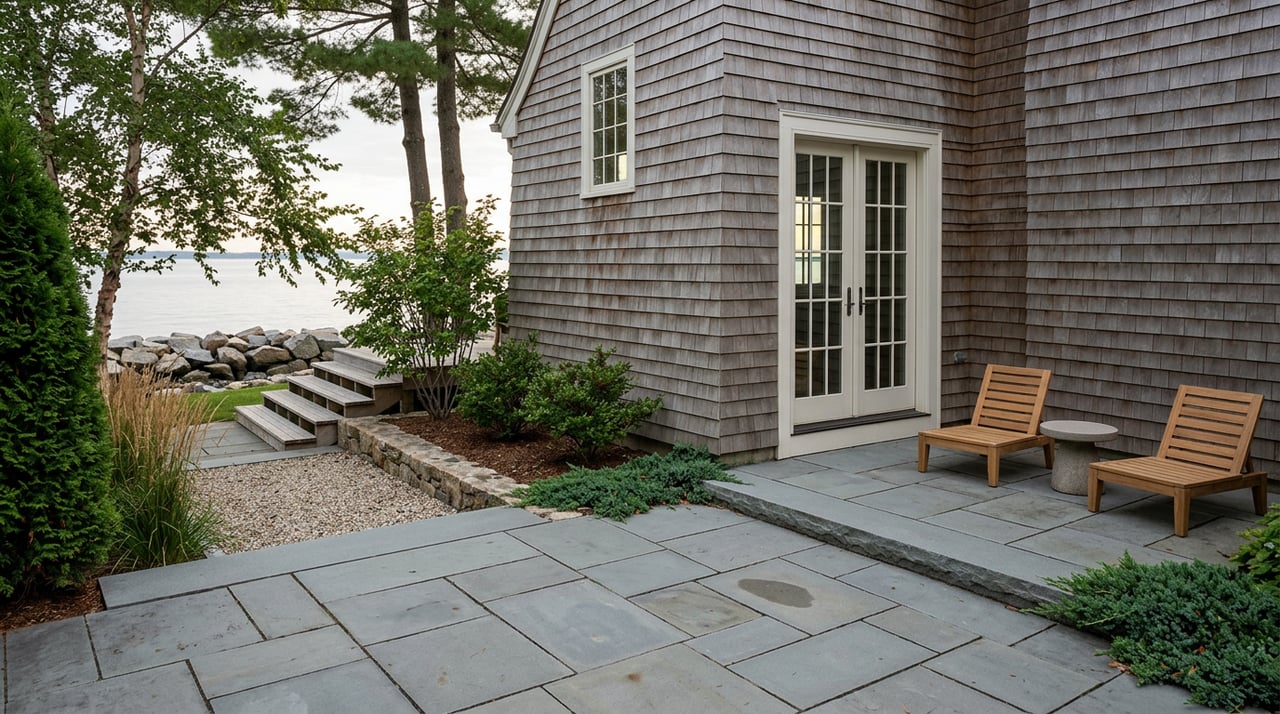
Picture your morning coffee with the sound of gulls, a kayak waiting at the dock, and sunset walks to ice cream in Fishtown. If you are eyeing a waterfront home in Leland, you already feel the pull of water and small‑town charm. What you may not see from the listing is the rulebook, inspections, and seasonal rhythms that come with living on the shore. This guide walks you through the choices, permits, and step‑by‑step due diligence so you can buy with confidence. Let’s dive in.
Leland waterfront options
Leland stretches from open Lake Michigan shoreline to the Leland River and up into North and South Lake Leelanau. You can choose high‑energy beachfront or bluff properties on the big lake, a spot near Fishtown and the harbor, or more sheltered inland frontage on Lake Leelanau. Riverfront homes along the Leland River blend a quiet setting with quick boat access between Lake Leelanau and the harbor.
Common property types include open‑lake beach or bluff homes, cottages near protected harbor slips, inland lakefront lots with coves or deeper water near the Narrows, and riverfront parcels. Some listings offer deeded or across‑the‑road access. If you plan to rely on the marina, review seasonal details on the Leland Harbor page early.
For stewardship questions, shoreline best practices, or invasive‑species updates, the Lake Leelanau Lake Association is a helpful local resource.
Know the rules before you buy
OHWM and public trust
On the Great Lakes, the Ordinary High Water Mark (OHWM) helps define the boundary between private land and state‑regulated bottomlands. Uses waterward of the OHWM are subject to Michigan’s public‑trust doctrine and agency oversight. Learn the basics in EGLE’s OHWM guidance. Local setbacks often reference the OHWM, so ask your surveyor to identify it during due diligence.
State permits for docks and shore work
Most work that dredges, fills, or places structures waterward of the OHWM on the Great Lakes requires authorization from EGLE under Part 325. Many inland lake and stream projects, including marinas and some docks, fall under Part 301 and may require a Joint Permit Application (JPA) with EGLE and the U.S. Army Corps. Start with EGLE’s overview of Great Lakes construction permits and contact staff before you plan any shoreline changes.
Timelines and planning ahead
Permit review times vary with project scope and coordination. EGLE guidance for marina and dock projects commonly ranges from several weeks to multiple months, and complex work can run 45 to 180 days. See timing context in EGLE’s marina development guide on permit processes and planning. Build this lead time into your buying plan.
Local zoning, dunes, and erosion risk
Parts of the Lake Michigan coast include mapped high‑risk erosion or critical dune areas. Township zoning can add setbacks or limits and sometimes requires state review for shoreline work. For a planning refresher on coastal constraints, see MSU Extension’s summary on coastal planning and zoning. Your parcel’s exact rules come from the local township and county, so verify early.
Septic, wells, and required inspections
Most Leland‑area homes outside village services rely on private septic and well systems. In Leelanau County, the Benzie‑Leelanau District Health Department requires a septic inspection at time of sale and offers guidance on well testing. Review their expectations and records through the Benzie‑Leelanau Health Department.
Flood maps and water‑level context
Flood designations influence insurance and lending, and they do not capture bluff stability. Pair FEMA checks with county resources and a site‑specific shoreline or bluff assessment. Start with the county’s floodplain maps and planning page. For bigger‑picture context on Great Lakes levels, NOAA’s GLERL dashboard shows long‑term and recent shifts in water levels for planning around erosion and beach width. Explore the Great Lakes water‑levels data.
Your waterfront due diligence checklist
Quick look before you tour
- Access and slope: Can you reach the water safely, and is the path stable or very steep?
- Signs of erosion: Undermined steps, slumping soil, or temporary sandbags?
- Dock and boathouse condition: Evidence of seasonal removal, storm or ice damage, or corrosion?
Contingencies to include in your offer
- Full home inspection by a waterfront‑experienced inspector. Ask about past flooding, foundation movement, and seasonal systems.
- Shoreline or bluff review by a coastal contractor or engineer. Confirm whether past work was permitted. Use EGLE’s permit overview to frame questions.
- Dock, piling, and hoist inspection by a marine contractor to assess structure, seasonal logistics, and boat compatibility.
- Septic inspection and dye test with pump records through the Benzie‑Leelanau Health Department.
- Well testing for bacteria, nitrates, and basic chemistry, plus well log and yield info.
- Boundary survey that locates frontage, the OHWM, and any easements. Confirm deeded riparian rights and any shared or keyhole arrangements using EGLE’s OHWM guidance as a reference point.
- Title review for recorded easements, HOA rules, and short‑term rental limits. Local debates can shift policy, as covered by regional reporting on short‑term rental rules. Verify the current township ordinance.
Red flags that require a pause
- Unpermitted seawall or major shoreline work without documentation, which may require mitigation.
- Failed or noncompliant septic near the shoreline that needs relocation or replacement.
- Dock or boathouse with rot, undocumented fill, or repeated ice damage.
- Parcels in mapped high‑risk erosion or critical dune areas that severely limit expansion.
Questions for your specialists
- Home inspector: Have you evaluated waterfront homes before, and what shows past flooding or freeze‑thaw stress?
- Shoreline contractor: What permits were used for prior stabilization, what maintenance is expected, and what alternatives suit this site?
- Septic and well pros: When were systems last inspected or pumped, and will they support your intended occupancy?
- Surveyor or title attorney: Where is the OHWM on this lot, and are there easements or keyholing that affect your frontage?
Seasonal living and ongoing costs
Leland’s harbor runs on a seasonal schedule, so if a slip matters, review services, slip length limits, and contact details on the Leland Harbor site, then confirm availability in writing. Docks on both Lake Michigan and inland lakes are commonly seasonal and removed for winter to avoid ice damage. If you plan to add or change a dock, verify whether your project is considered seasonal or permanent and follow EGLE’s permit guidance for triggers.
Waterfront ownership can include higher carrying costs such as flood endorsements, storm or wind coverage, dock upkeep, and septic maintenance. FEMA flood maps do not show bluff instability, so pair mapping with a site assessment and the county’s floodplain resources. For long‑term planning, check NOAA’s Great Lakes water‑level trends.
Finally, be a good shoreline neighbor. Native buffers, careful dock practices, and invasive‑species control protect water quality and property value. Connect with the Lake Leelanau Lake Association for local programs and referrals.
How to buy step by step in Leland
Online search and first pass
- Filter for deeded frontage vs shared or across‑the‑road access and note whether you need big‑lake access via the harbor. If marina services are a must, review the Leland Harbor details early.
Pre‑offer verifications
- Ask your agent to pull county parcel data, recent assessments, any existing survey, and whether the home is on septic or municipal sewer. Check the county’s floodplain maps for lender and insurance needs.
Write an offer with the right contingencies
- Include a home inspection, shoreline or dock inspection, septic inspection, well test, and a survey that identifies the OHWM and easements. If you plan shoreline work, add a permit feasibility contingency and account for EGLE’s timeline in your planning using the permit process guide.
Negotiate after inspections
- Request repairs or credits for septic, well, or shoreline issues. Do not assume future permits will be granted unless documented. Use EGLE’s permit overview to clarify next steps.
Close and set up services
- Start any needed JPA permit applications promptly since reviews can take months. Line up seasonal providers for dock installation and winterization, and update insurance after you confirm elevation and flood status.
Buying on the water in Leland is about matching your lifestyle with the right shoreline and being disciplined with due diligence. With the right plan, you can enjoy morning paddles, harbor nights, and a home that will care for you as well as you care for it. If you want a guided path from search to shoreline, connect with Hillary Voight to start a personalized plan.
FAQs
Can I build a new dock or seawall in Leland?
- It depends on location and scope. Many Great Lakes and inland lake projects require state permits and sometimes federal review. Start permit conversations early and include feasibility in your offer timeline.
Will the public be able to walk on my Lake Michigan beach?
- On the Great Lakes, the public has certain rights waterward of the Ordinary High Water Mark. A survey and local guidance help clarify where that boundary lies on your parcel.
How much extra does waterfront maintenance cost each year?
- Budget for seasonal dock work, possible shoreline protection, septic pumping on a regular schedule, and potentially higher insurance if in a mapped flood zone. Get local contractor quotes for accuracy.
Do Leland marina slips come with a home purchase?
- Not typically. Slip availability is seasonal and managed by the harbor, so confirm length limits, services, and availability directly and in writing if you plan to depend on a berth.