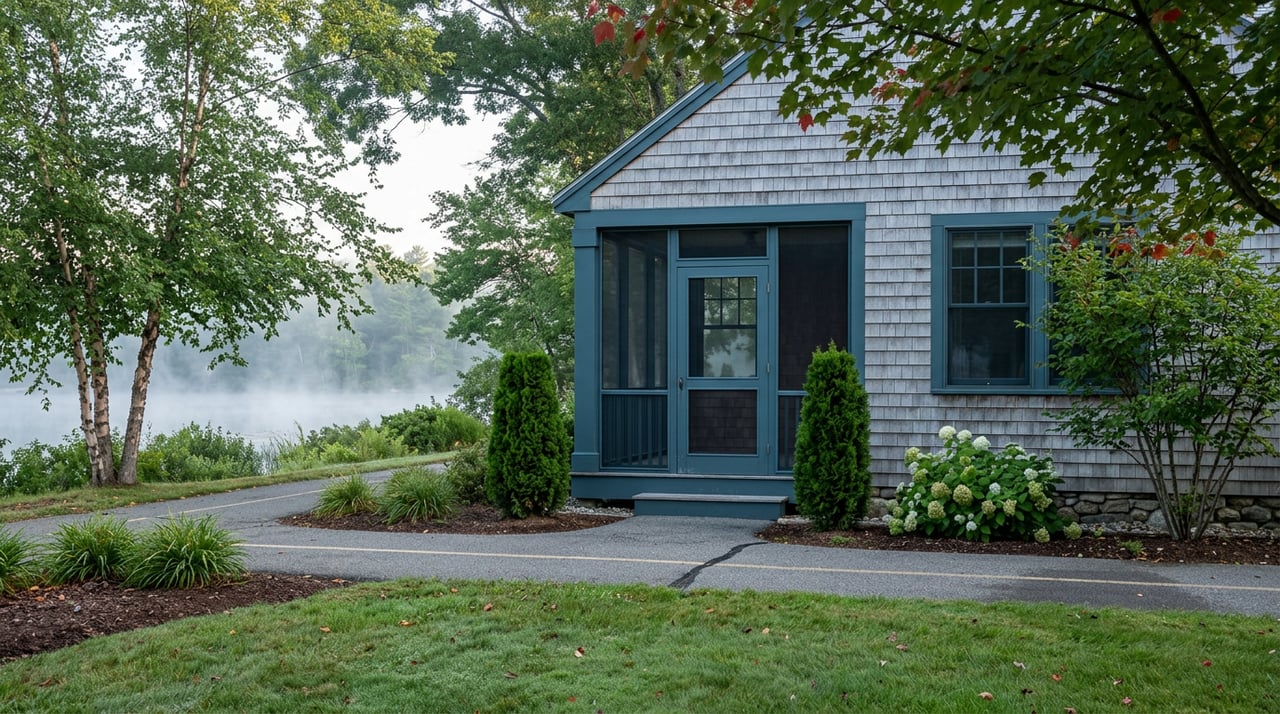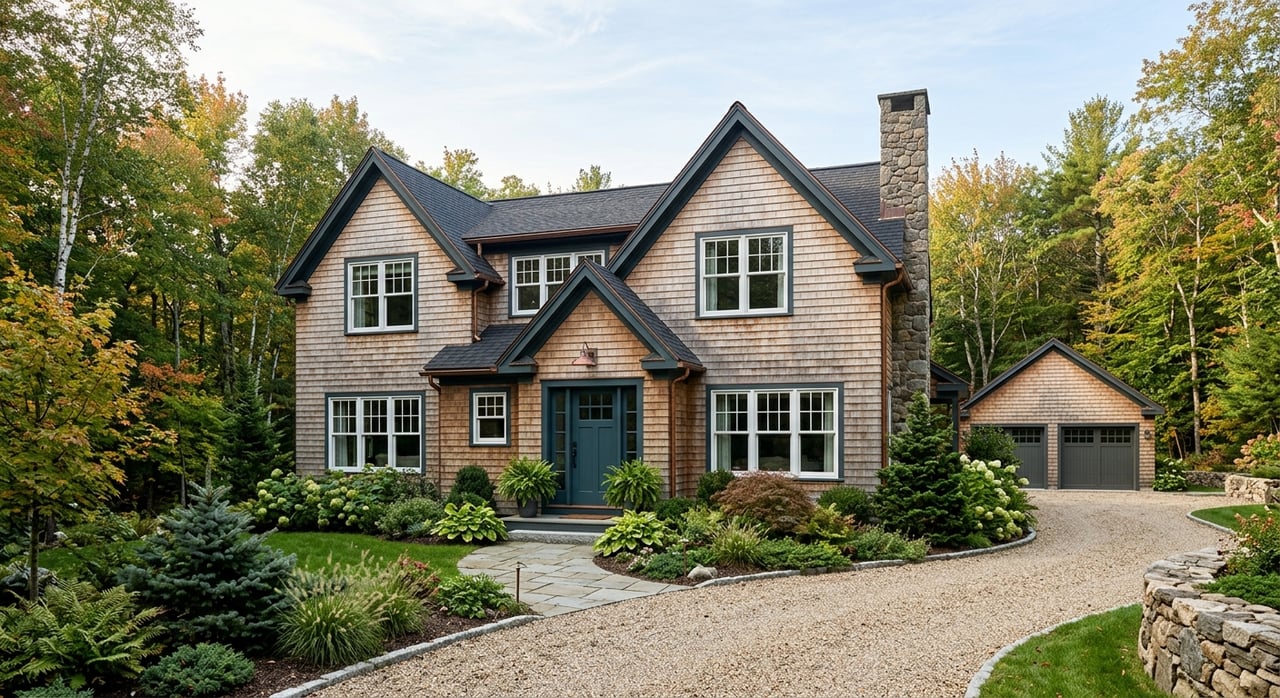
Thinking about a Lake Leelanau cottage from a few hours away, or a few states away? You are not alone, and you are smart to look beyond the view first. Owning a second home here can be deeply rewarding, but it also comes with practical details that matter in northern Michigan, from winter weather to septic timing to shoreline rules. This guide walks you through the basics so you can plan with more confidence. Let’s dive in.
Why Lake Leelanau Ownership Feels Different
Lake Leelanau offers the kind of setting many out-of-town buyers are looking for: water access, seasonal rhythms, and a strong connection to place. At the same time, ownership here is shaped by local conditions that may be very different from what you are used to in a primary-home market.
According to the Leland Township recreation plan, the area is rural and served mainly by private automobiles, with M-22 and M-204 as the primary state roads. BATA also provides daily bus service to Leelanau County, but for most cottage owners, road travel, snow conditions, and drive times will be a regular part of planning.
That same township plan notes that Lake Leelanau generally stays frozen from late December into early April, with lake-effect snow and a clear seasonal pattern as summer residents return by early July. If you are buying from out of town, it helps to think of the property as a four-season responsibility, even if you plan to use it mostly in summer.
Plan for Seasonal Access
A Lake Leelanau cottage is not just a weekend address. It is a property that may need attention during snow, freeze-thaw cycles, and quieter off-season months when you are not there in person.
That means you will want to think through travel logistics early. If your schedule depends on easy year-round access, winter road conditions and off-season property checks should be part of your buying conversation from the beginning.
The township plan also identifies public access points including East Leland, Schneider’s Beach, and Bartholomew Park. Even if you are focused on private waterfront or shared access, understanding how the lake is used seasonally can help you set realistic expectations for ownership and enjoyment.
Verify Well and Septic Early
For many out-of-area buyers, the most important pre-closing issue is not cosmetic. It is the property’s well and septic status.
The Benzie-Leelanau District Health Department says a Time of Transfer evaluation is required before the sale is final for existing dwellings in Benzie or Leelanau counties that have a septic system and or water well. The process can take 3 to 4 weeks, so it is wise to start early and build that timing into your transaction.
This requirement does not apply to homes already on municipal sewer and water, or to vacant land unless a well or septic system is present. Still, for many Lake Leelanau cottages, private systems are common enough that you should ask about them right away.
What to ask before closing
- Is the home served by a private well, septic system, or both?
- Has the Time of Transfer evaluation been started or completed?
- Can you review available records before closing?
- Is the property on municipal water or sewer instead?
BLDHD also notes that county rules matter because Michigan does not have a statewide sanitary code for these systems. That makes local documentation especially important when you are buying from out of town and cannot easily inspect history in person.
Know the Maintenance Schedule
Once you own the cottage, well and septic care becomes part of your long-term planning. That is especially true if the home sits vacant for part of the year or sees heavy use in peak summer months.
BLDHD’s well and septic maintenance guidance says septic systems should be inspected every three years by a licensed contractor and pumped when needed, generally every 3 to 5 years. It also advises owners not to drive on the drain field, flush non-biodegradable items, or overload the system with excess water.
For private wells, the Michigan Department of Environment, Great Lakes, and Energy says the owner is responsible for drinking-water quality. Common concerns can include bacteria, nitrate and nitrite, and metals.
If you are buying an older cottage, record history can be especially helpful. BLDHD says records may date back to the 1960s through its Environmental Health Digital Records Portal, and EGLE notes that Wellogic and scanned well records may help fill in older details.
Understand Dock Rules Before You Buy
A dock setup can seem simple when you first tour a lakefront property, but rules can vary depending on whether the structure is seasonal or permanent.
EGLE explains in its dock and boat hoist guidance that a permanent dock or boat hoist on inland lakes and streams requires a permit. A seasonal private, non-commercial dock, hoist, or swim raft that is removed at the end of boating season generally does not need a permit if it does not unreasonably interfere with others or water flow.
Some single-family dock and hoist projects may also qualify for expedited review through the Joint Permit Application process. If a property’s current setup does not match how you plan to use it, this is worth clarifying before you close.
Smart dock questions to ask
- Is the current dock seasonal or permanent?
- Does the existing setup already have the required approvals?
- If changes are needed, what permit path applies?
- Who installs, removes, and stores the dock each season?
Be Careful With Shoreline Changes
Many buyers picture small improvements after closing, such as stabilizing a shoreline, grooming a beach area, or improving access to the water. On Lake Leelanau, those projects may involve more review than you expect.
EGLE says on its shoreline protection page that projects at or below the ordinary high-water mark require a permit. It also warns that seawalls and steep riprap can increase turbidity, scouring, habitat loss, and lower water quality.
Where feasible, EGLE recommends natural shoreline treatments or bioengineering approaches. The agency also offers voluntary pre-application meetings for inland-lake and wetland projects, which can help homeowners and contractors understand the right review path before design work begins.
If you are considering plant treatment, dredging, or beach grooming, EGLE says those activities are typically regulated as well through its aquatic nuisance control guidance. Local governments may have additional requirements, so it is important to confirm both state and local steps.
Winterization Matters More Than You Think
For out-of-town owners, winter is often the biggest operational difference between dreaming about a cottage and successfully owning one.
According to Michigan Ready, frozen pipes damage a quarter-million homes each winter. Its guidance for homes left unattended includes insulating pipes in crawl spaces and attics, disconnecting hoses, sealing air leaks near pipes, keeping the thermostat no lower than 55 degrees, and shutting off and draining the water system if possible.
This is one of the most important seasonal checklists to build before your first freeze-up. If you will not be nearby regularly, you should know exactly who checks the property during cold snaps and what happens if there is a power outage or plumbing issue.
Winter-ready basics for absentee owners
- Keep interior heat at 55 degrees or above
- Insulate vulnerable pipes
- Disconnect outdoor hoses
- Seal air leaks near plumbing lines
- Shut off and drain the water system if appropriate
- Arrange routine off-season checks
Vet Contractors Carefully
A second-home purchase often leads to a list of projects, from plumbing and HVAC updates to roofing, dock work, and weather-related repairs. When you are hiring from out of town, contractor screening becomes even more important.
The Michigan Department of Licensing and Regulatory Affairs says in its consumer tips for hiring contractors that you should verify a contractor’s license before work begins. Its guidance says the contractor’s license number and expiration date should be available, and it also recommends checking references.
LARA also cautions consumers against unusually large up-front payments and paying in full before the work is completed. For out-of-town owners, tying payments to progress can help reduce stress and create a clearer paper trail.
Questions to ask service providers
- What is your Michigan license number?
- Can I verify your credentials before work starts?
- Can you provide recent references?
- How are deposits structured?
- Are payments tied to project milestones?
- Who should I call for emergencies if I am out of town?
A Simple Ownership Sequence
When you are buying a Lake Leelanau cottage from outside the area, it helps to think in order rather than trying to solve everything at once.
A practical sequence based on the research is this:
- Verify well and septic status first and review available records.
- Confirm dock, shoreline, or lake-use plans next so you understand whether EGLE review may apply.
- Build your winterization plan before freeze-up if the home will sit vacant seasonally.
- Vet contractors early for any immediate repairs or upgrades.
This kind of planning does not remove every surprise, but it can make ownership feel much more manageable, especially when you are balancing distance, travel, and seasonal use.
Owning a cottage on Lake Leelanau should feel inspiring, not uncertain. The right preparation helps you enjoy the water, the seasons, and the slower pace that brings so many buyers here in the first place. If you want local guidance as you compare properties, evaluate practical details, and plan for life as an out-of-town owner, Hillary Voight is here to help you move forward with clarity.
FAQs
What should out-of-town buyers verify first for a Lake Leelanau cottage?
- Start with the well and septic setup, including whether a BLDHD Time of Transfer evaluation is required and whether records are available before closing.
Does a Lake Leelanau dock need a permit?
- According to EGLE, permanent docks and boat hoists on inland lakes require permits, while seasonal private non-commercial structures that are removed at the end of the boating season generally do not if they meet stated conditions.
How should absentee owners winterize a Lake Leelanau cottage?
- Michigan Ready recommends insulating vulnerable pipes, disconnecting hoses, sealing air leaks, keeping the thermostat at no lower than 55 degrees, and shutting off and draining the water system if possible.
Are shoreline improvements regulated on Lake Leelanau properties?
- Yes. EGLE says shoreline projects at or below the ordinary high-water mark require a permit, and other activities like aquatic plant treatment, dredging, or beach grooming may also be regulated.
How often should a septic system be serviced at a Leelanau County cottage?
- BLDHD says septic systems should be inspected every three years by a licensed contractor and pumped when needed, generally every 3 to 5 years.