If you are selling a waterfront home near Empire, design is only part of the story. Buyers are not just comparing finishes or square footage. They are reacting to light, views, flow, and the feeling of being close to Lake Michigan and the Sleeping Bear Dunes landscape. Smart staging helps you bring that lifestyle into focus before a buyer ever visits in person. Let’s dive in.
Why staging matters in Empire
In Empire, the setting does a lot of the heavy lifting. The area is known for its beaches, bluffs, and wide Lake Michigan views, with places like the Empire Bluff Trail and the broader Sleeping Bear Dunes National Lakeshore shaping how people picture life here.
That matters when you prepare your home for market. A waterfront property in this part of Leelanau is not just a house. It is also an experience, and your staging should help buyers see that right away.
Buyer behavior supports that approach. According to the National Association of Realtors 2025 Profile of Home Staging, 83% of buyers' agents said staging made it easier for a buyer to visualize the property as a future home.
Start by making the view the hero
The first rule of waterfront staging is simple: do not compete with the scenery. If your windows frame water, sky, dunes, or tree-lined shoreline, every design choice should support those sight lines instead of interrupting them.
Use low-profile furniture where possible, especially in the main living area. Choose pieces that feel scaled to the room and avoid tall bookcases, heavy window treatments, or oversized decor near glass doors and large windows.
This kind of editing is often more powerful than adding more accessories. In a market tied so closely to natural beauty, the strongest visual statement may be the view itself.
Keep window treatments light
Heavy drapery can make a waterfront room feel closed off. Lighter treatments, or a more minimal approach when privacy allows, can help the room feel brighter and more open.
When buyers look at listing photos or video, they should notice the horizon line, changing light, and outdoor connection first. Everything else in the room should feel supportive, not dominant.
Protect key sight lines
Walk through your home as if you were seeing it for the first time online. From the entry, living room, kitchen, and primary bedroom, ask yourself what your eye lands on first.
If the answer is a bulky chair, a dark cabinet, or visual clutter on a countertop, it may be time to rearrange. Good staging guides the eye naturally toward the home’s best features.
Focus on the rooms buyers notice most
Not every room carries the same weight. NAR’s 2025 staging report found that buyers' agents ranked the living room as the most important room to stage, followed by the primary bedroom and kitchen.
That is especially useful for waterfront sellers trying to prioritize time and budget. If you cannot stage every corner at the same level, start with the spaces where buyers are most likely to picture daily life.
Stage the living room for light and flow
The living room often anchors the whole showing experience. It is also the room most often staged by sellers, according to NAR.
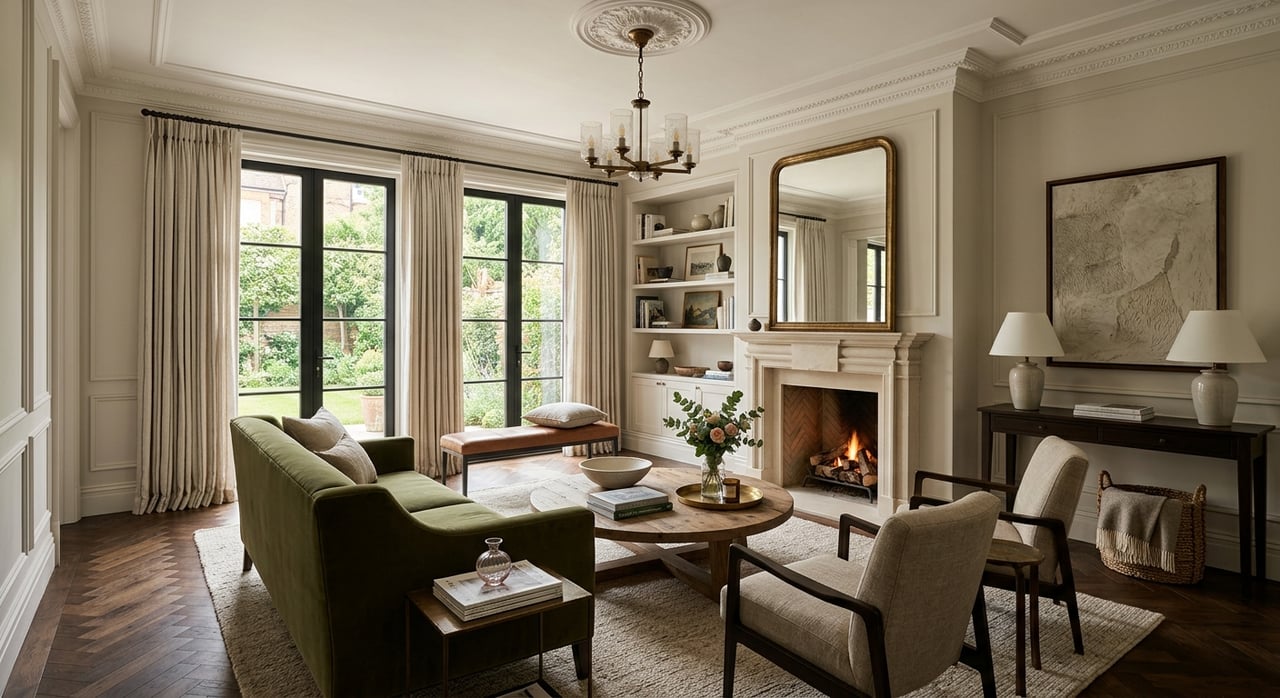
For an Empire-area waterfront home, keep seating conversational but open. Leave enough negative space for the room to breathe, and orient furniture to highlight both the gathering area and the view.
Make the primary bedroom feel calm
Waterfront buyers are often drawn to a sense of retreat. In the primary bedroom, soft textures, simple bedding, and a limited color palette can help create that feeling.
Avoid overstyling. A well-made bed, balanced nightstands, and one or two thoughtful accents usually do more than a room full of decorative items.
Simplify the kitchen
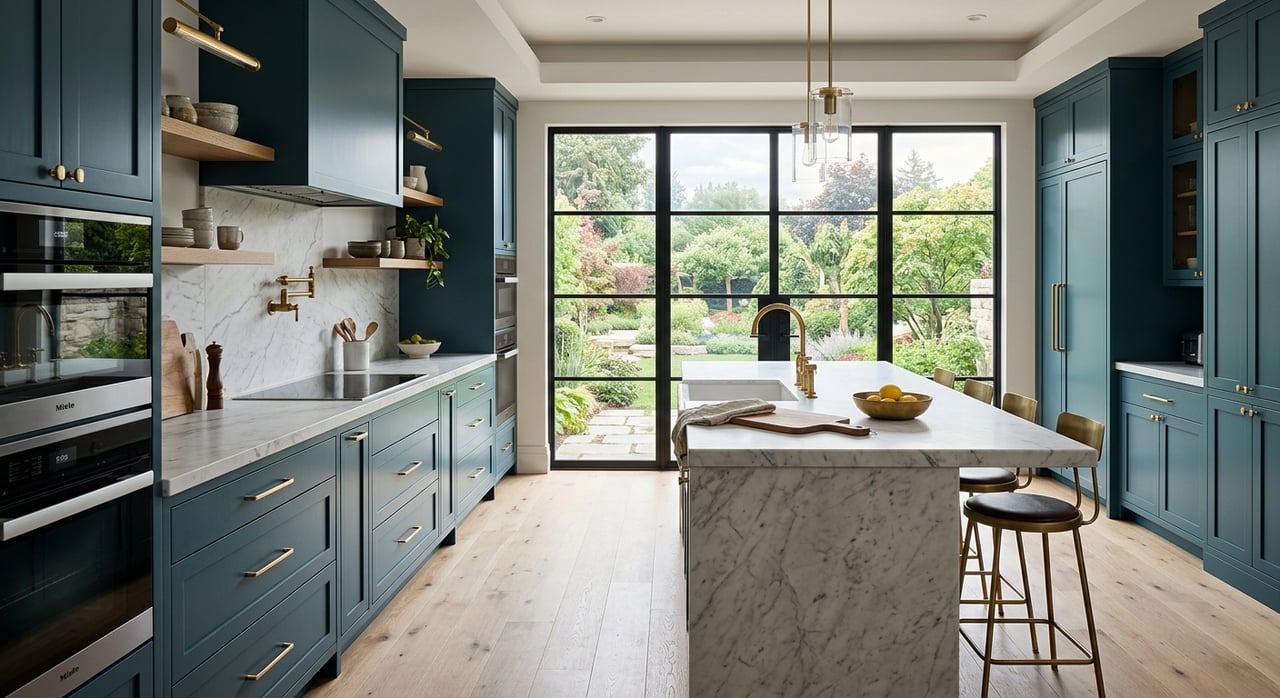
The kitchen should feel functional, fresh, and easy to maintain. Clear most countertop items, add a small natural element like a bowl of fruit or a simple vase, and make sure surfaces reflect light well.
If the kitchen connects to water-facing windows or outdoor dining, keep that path visually clean. Buyers should immediately understand how the space works for everyday living and entertaining.
Use materials that feel natural and current
Design-forward staging does not mean trendy for the sake of being trendy. Recent NAR design commentary points to buyer interest in authenticity, livability, natural materials, and softer, more grounded spaces.
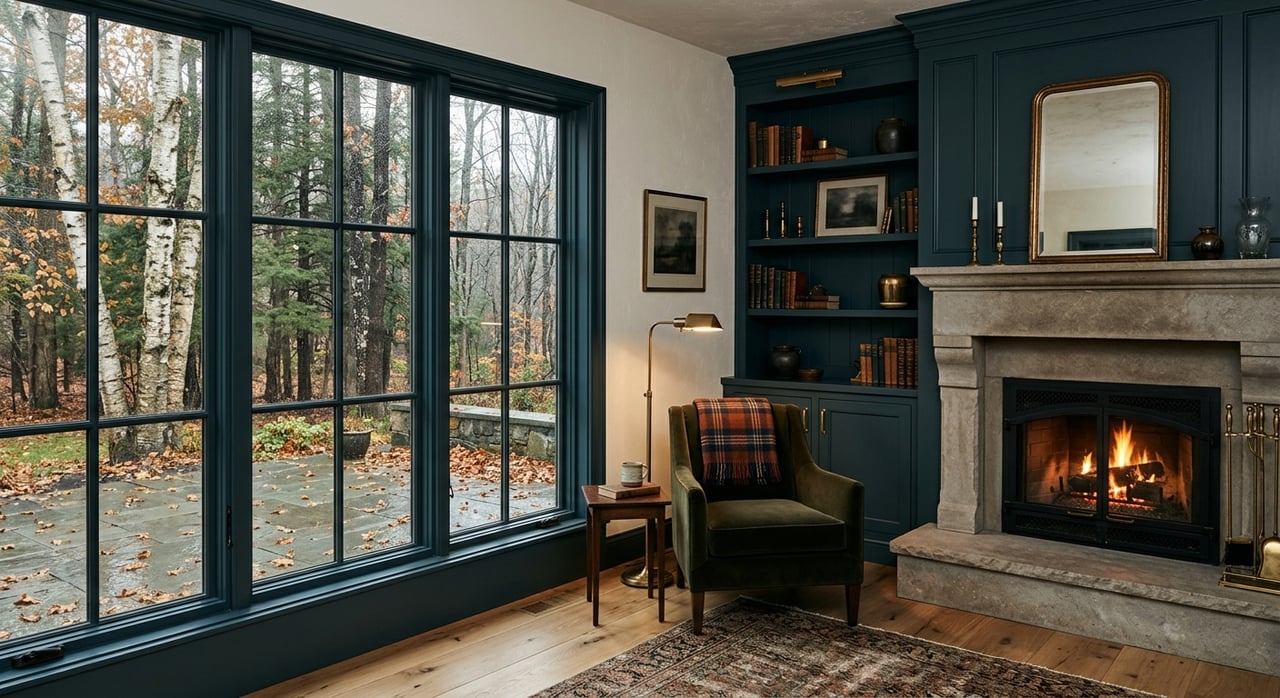
For a waterfront home, that usually means linen, wood, woven textures, stone-inspired finishes, and a palette built around soft neutrals. Restrained blue-green accents can work well, but overt nautical themes often feel too literal.
Skip the themed beach decor
You do not need rope knots, anchor art, or signs about lake life to tell the story. The setting already does that.
Instead, aim for a home that feels calm, elevated, and believable. Buyers tend to respond better to spaces that feel authentic and easy to imagine living in.
Add texture without clutter
Layering texture can help a room feel finished without making it feel busy. Think woven chairs, a linen throw, or wood-toned accents that add warmth.
The goal is visual depth, not decoration for decoration’s sake. Each item should help the home feel more inviting while keeping the focus on space and light.
Treat outdoor areas like true living space
Outdoor staging is especially important for waterfront homes. Decks, patios, porches, and sitting areas should read as functional extensions of the interior, not leftover exterior zones.
This is particularly relevant in Empire, where the area’s four-season recreation appeal is part of the draw. The Sleeping Bear Heritage Trail is open year-round for walkers, runners, skiers, bikes, wheelchairs, and strollers, which reinforces how strongly lifestyle and outdoor access shape buyer interest.
Create one clear outdoor moment
You do not need to furnish every inch of your exterior space. One well-defined seating or dining area often has more impact than several half-finished zones.
A pair of chairs facing the water, a small outdoor table, or a neatly styled porch can help buyers picture how they would actually use the space. Keep traffic flow clear so the transition from indoors to outdoors feels easy.
Organize gear with intention
If your home supports beach days, trail outings, or seasonal lake living, create a tidy drop zone near an entry. A bench, a few hooks, and subtle storage can make the home feel practical without looking cluttered.
That small detail can read as a lifestyle feature rather than everyday mess. It also helps buyers imagine how the home supports real routines.
Stage for photos, video, and virtual touring
In a market that attracts second-home and out-of-area buyers, your home often has to impress online first. According to NAR’s 2025 buyer research, photos were rated the most useful website feature by 83% of internet-using buyers, followed by floor plans at 57%, virtual tours at 41%, and videos at 29%.
That means staging is not only about in-person showings. It also needs to work beautifully for the camera.
Think like the lens
What feels fine in person can look crowded in photos. Before professional photography or video, remove extra chairs, simplify tabletops, and check corners and backgrounds.
Virtual tours are also valuable because they show how rooms connect. NAR notes that buyers expected a median of 20 virtual viewings and eight in-person viewings before buying, so your online presentation needs to explain the home clearly and attractively.
Keep continuity room to room
One of the easiest ways to make a home look more polished online is to create consistency. Repeat similar tones, materials, and styling restraint from one room to the next.
That helps your listing feel cohesive in photos and video. It also makes the home seem more intentional and move-in ready.
Prioritize the prep that makes the biggest difference
Before you add any styling details, take care of the basics. NAR’s 2025 staging report says the most common seller prep recommendations were decluttering, whole-home cleaning, and improving curb appeal.
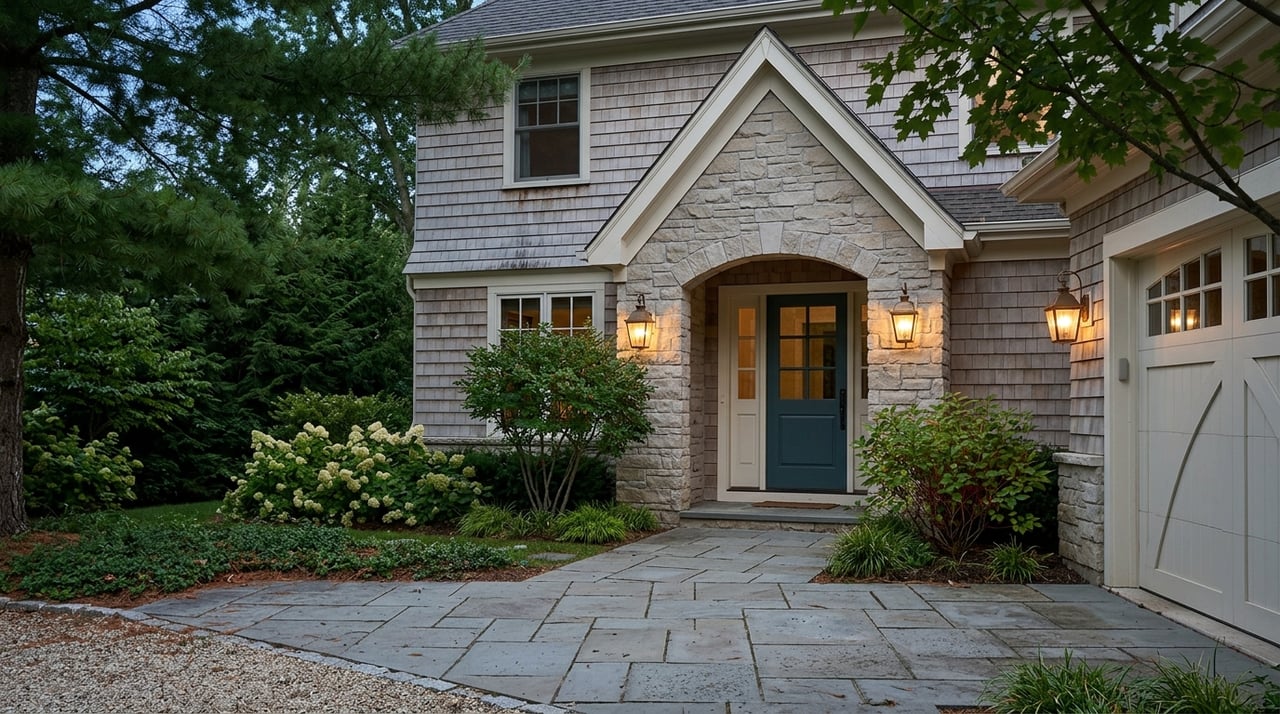
Those fundamentals matter even more when buyers are evaluating a waterfront property where exterior condition, entry experience, and natural light all shape first impressions.
Your essential waterfront prep list
- Declutter every visible surface
- Deep clean the entire home
- Depersonalize key rooms
- Touch up paint where needed
- Complete minor repairs
- Refresh landscaping and entry areas
- Clean windows thoroughly
- Prepare outdoor furniture and walkways
Done well, these steps make the home feel cared for and easy to step into emotionally.
Think of staging as marketing, not decor
Staging is often treated like an optional finishing touch, but the numbers suggest it can play a meaningful role in perceived value. In NAR’s 2025 staging report, 19% of sellers' agents reported a 1% to 5% increase in dollar value offered when a home was staged, and 10% reported a 6% to 10% increase.
That does not mean staging guarantees a premium. It does mean your presentation deserves to be part of your marketing strategy, especially for a design-conscious waterfront listing.
When staging is coordinated with photography, video, and a strong listing story, it helps buyers notice the right things faster. That is exactly what you want in a market where the home, the setting, and the lifestyle all need to come through clearly.
Work with a stager who understands waterfront homes
If you bring in professional help, look for someone who understands large windows, outdoor living, and the demands of photo and video preparation. According to NAR, sellers' agents ranked design quality and price as the top factors when choosing a staging service.
For an Empire-area waterfront property, the best fit is usually someone who knows how to edit a space without stripping away its character. The goal is not to make your home feel generic. The goal is to make it feel clear, welcoming, and memorable.
A thoughtful staging plan can help buyers see the view, understand the flow, and connect with the lifestyle your home offers. If you are preparing to sell, Hillary Voight brings a design-forward, place-based approach to listing preparation, visual marketing, and waterfront storytelling.
FAQs
What are the best staging priorities for an Empire waterfront home?
- Start with the living room, primary bedroom, kitchen, outdoor spaces, and any area with a strong water or landscape view.
Why does waterfront staging matter for out-of-area buyers in Leelanau County?
- Many buyers begin with photos, floor plans, virtual tours, and video, so staging helps your home stand out and communicate lifestyle before an in-person visit.
How should you decorate a Lake Michigan waterfront listing near Empire?
- Use natural materials, soft neutrals, light textures, and minimal decor that supports the view instead of distracting from it.
What should sellers remove before photographing a waterfront home?
- Remove clutter, excess furniture, personal items, heavy window treatments, and anything that blocks sight lines to windows, doors, or outdoor spaces.
Is professional staging worth it for a Leelanau waterfront listing?
- It can be, especially when it is coordinated with photography and video and focused on showcasing views, flow, and outdoor living.