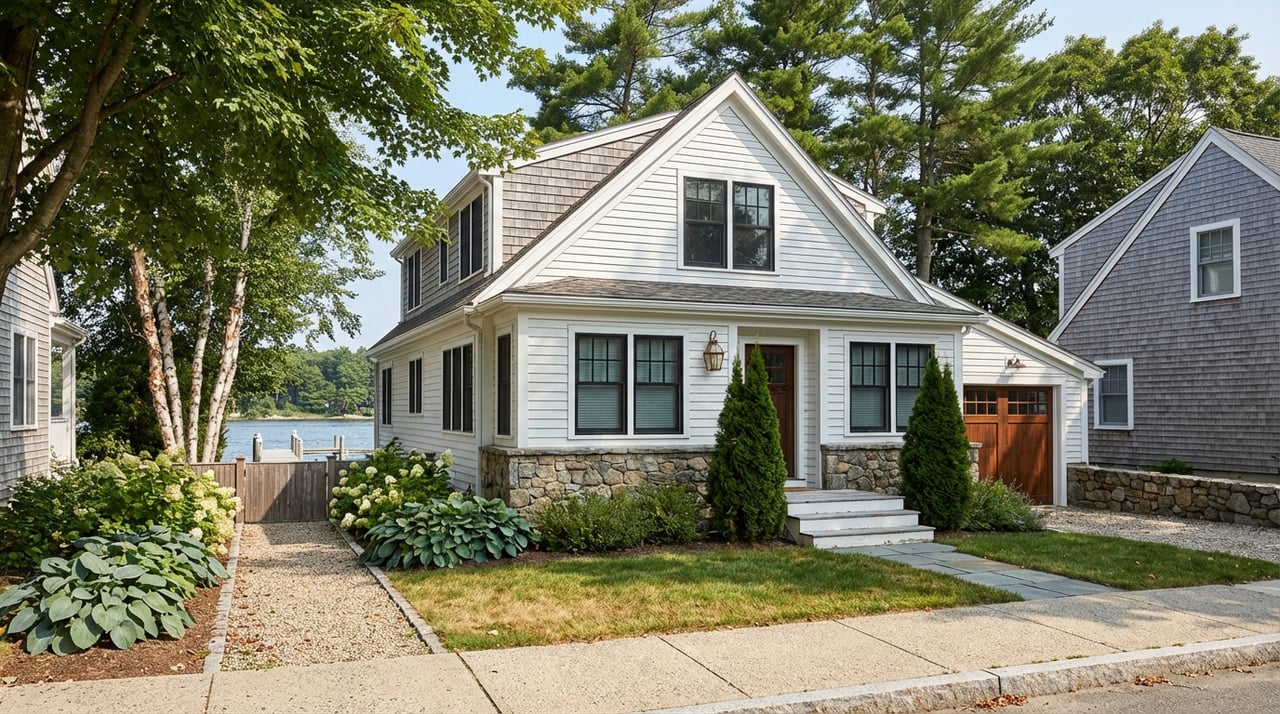
Do you picture morning coffee on a quiet dock or an easy stroll to dinner on Front Street? In Traverse City and Leelanau, the right choice often comes down to the lifestyle you want day to day. This guide helps you weigh real costs, seasonal realities, and neighborhood options so you can decide with confidence. Let’s dive in.
Waterfront vs in-town: the quick take
- Waterfront gives direct bay or lake access, year-round views, and a classic Northern Michigan feel. You trade for higher purchase prices, specialized upkeep, and more permits.
- In-town gives walkability, municipal services, and simpler maintenance. You trade for less private shoreline and you may rely on marinas or public beaches for water access.
- To decide, focus on your primary daily activities, how often you will be on the water, your maintenance comfort level, and whether you want year-round convenience or a seasonal retreat.
Market snapshot and price context
As of early 2026, city medians in Traverse City sit in the low to mid $300Ks, though neighborhoods vary. You can review current figures on Redfin’s Traverse City market page. In nearby Leelanau County, medians are higher, reflecting lake and peninsula inventory. See the latest on Redfin’s Leelanau County snapshot.
Waterfront carries wide premiums tied to frontage, beach quality, depth, and proximity to town. Direct Grand Traverse Bay frontage and peninsula properties frequently list from the high six figures to multi-million. For example, a Shore Wood Drive bayfront listing was offered around $3 million. In contrast, in-town waterfront on Boardman Lake spans a broad range, from smaller cottages to luxury homes, as shown in active Boardman Lake listings.
The bottom line is simple. Expect a spread, and use waterbody-specific comps to understand value. Your offer strategy should reflect frontage type, dock rights, and how close you are to downtown services or marinas.
Local examples to ground your search
- Boardman Lake: In-town waterfront with a wide price band. It fits buyers who want paddling or lake views with city convenience.
- West and East Grand Traverse Bay, Old Mission Peninsula: Signature bayfront and peninsula homes often command premium prices and deliver direct lake access.
- Leelanau towns (Suttons Bay, Leland, Glen Arbor area): Demand for wine country, beaches, and views keeps the county median above the city’s.
- Downtown and central neighborhoods: Walkability, restaurants, and municipal services drive value. Pricing varies block by block.
Lifestyle fit: questions that clarify your choice
Daily routine and access
Think about where you will spend time each day. If you want to walk to groceries, coffee, classes, or the hospital, in-town living may fit. If your non-negotiable is stepping onto a private dock after work, focus on waterfront.
On-water use frequency
If you plan to boat or paddle several times a week, private frontage can be worth the premium. If you will be on the water only a few times each month, a home near a public launch or a marina slip could meet your needs at a lower total cost.
Privacy and seasonality
Many waterfront settings feel more private off-season but can be busier in summer near public beaches or popular peninsulas. In-town neighborhoods stay lively year-round and can be busier during major events. Consider which pattern feels right for you.
Commute and convenience
In-town homes often shorten commutes and simplify winter access. Waterfront outside utility districts may add drive time for errands and snow management. Decide how much you prefer convenience versus retreat.
Maintenance appetite
Docks, boatlifts, and shoreline work create a seasonal rhythm. If you want fewer tasks, in-town may suit you. If you enjoy the ritual of putting in and pulling out a dock and the rewards of waterfront living, plan for it and embrace the cycle.
Maintenance and operating costs to expect
Docks and boatlifts
Installation, removal, and repair add up. Typical residential projects can range from a few thousand to tens of thousands of dollars depending on type and features. Seasonal removal and installation also carry annual service costs. For ballpark ranges, review this dock cost guide. Site conditions and contractor bids will determine actual costs.
Shoreline stabilization
Riprap, revetment, or seawalls require careful planning and may be expensive. Local guidance often favors living-shoreline approaches where feasible because hard armoring can shift erosion to neighboring parcels and trigger stricter permits. See Michigan Sea Grant’s shoreline ordinance guidance for context you can bring to local permit talks.
Utilities and systems
- Many bayfront or inland lake homes outside utility districts use private wells and septic systems. Plan for inspection, pumping, and possible upgrades that can affect additions or rentals.
- Many in-town homes connect to municipal water and sewer, which removes a maintenance category and often simplifies remodel permits. Always verify utility status for any parcel during due diligence.
Insurance and flood considerations
Great Lakes coastal properties may sit in FEMA flood hazard zones, which can affect mortgage rules and insurance costs. Check parcel status early and get quotes from your insurer. Start with FEMA resources to understand how flood insurance works.
Seasonal boating and water levels
Marina operations and private docks follow the seasons. Water levels and winter ice can affect dock timing and maintenance needs. For context on seasonal variability, browse NOAA GLERL water level data, then pair that knowledge with local marina practices.
Permits and rules you should know
State permits for docks and shoreline work
In Michigan, many structures and activities in inland lakes and streams require permits. That includes docks, piers, seawalls, and dredging or fill unless they meet limited seasonal exceptions. Read the baseline in Part 301 of Michigan’s Inland Lakes and Streams law, then confirm any township or city overlays.
Local short-term rental rules
If rental income is part of your plan, check city or township ordinances first. Some local governments cap permits or require registration. For a regional overview of recent developments, see these short term rental regulation updates and then verify details with your specific municipality.
Boating norms and responsibilities
Expect clean, drain, dry practices for boats and trailers to protect local waters from invasive species. Mobile decontamination programs and outreach are common across Michigan. Build this into your boating routine if you will launch at different lakes.
Decision guide: which path fits you
- Choose waterfront if you will be on the water several days a week, want a private launch or swim area, and can budget for seasonal dock work, shoreline care, and potentially higher insurance. You value views and retreat over walkability.
- Choose in-town if daily convenience, shorter commutes, municipal services, and easy year-round access top your list. You are happy using marinas or public beaches and prefer lower routine maintenance.
- Choose an in-town waterfront hybrid like Boardman Lake if you want water and city access together, and you are open to a wide price band depending on lot, frontage, and home type.
Buyer checklist for Traverse City and Leelanau
- Clarify your top three priorities: daily life, on-water use frequency, and maintenance tolerance.
- Budget beyond purchase price for docks, lifts, shoreline care, and potential septic or well upgrades. Use the dock cost guide linked above for ballparks and get contractor bids.
- Verify utilities. Ask whether the home connects to public water/sewer or uses private well/septic and confirm with local records.
- Confirm permit needs for docks or shoreline work. Read Part 301 above and contact your township or city planning office.
- Check FEMA flood mapping for the parcel and get insurance quotes early.
- If you plan to rent, review local short-term rental rules and required registrations or assessments.
- Plan for boating logistics. Understand launch locations, marina operations, and clean, drain, dry norms.
What working with a local guide looks like
You deserve a home that matches how you live, in every season. From waterbody-specific comps and permit checklists to introductions to marina operators and contractors, you should expect clear, concierge-level guidance. If you are torn between the romance of the bay and the ease of downtown, a tailored tour day that compares on-the-water time, commute windows, and neighborhood rhythm can make the decision obvious.
Ready to explore both options side by side and choose with confidence? Connect with Hillary Voight to map your lifestyle to the right property and plan your next move.
FAQs
How do Traverse City waterfront and in-town prices compare?
- City medians have been in the low to mid $300Ks while county medians are higher, and direct bayfront often lists from the high six figures to multi-million; use current Redfin pages and waterbody-specific comps to set expectations.
Do I need a permit to install a dock or seawall in northern Michigan?
- Often yes; Part 301 of Michigan’s Inland Lakes and Streams law sets permit rules for many structures with limited seasonal exceptions, and townships or the city may add local requirements.
Are Grand Traverse Bay or inland lake homes harder to insure?
- Flood exposure and FEMA zone status can affect mortgage rules and premiums; check the parcel’s mapping and get quotes early in due diligence to understand total cost.
How seasonal is boating on Grand Traverse Bay and area lakes?
- Marinas and private docks operate seasonally, and winter ice plus changing water levels influence installation and removal timing, so plan your boating calendar accordingly.
What should I check before planning short-term rentals in Traverse City or Leelanau?
- Confirm whether the city or township allows STRs, whether permits are capped, and any registration or assessment rules, then align your purchase and offer strategy with those requirements.