If you are trying to time a move in Traverse City, you are not alone. The market here runs on a clear seasonal rhythm that affects how fast homes sell, how many options you see, and what it takes to win an offer. When you understand that calendar, you can plan ahead and move with confidence. In this guide, you will learn what happens in each season, how timing can influence price and days on market, and how to build a 6 to 12 month plan. Let’s dive in.
Traverse City’s seasonal rhythm
Traverse City and Grand Traverse County follow a familiar pattern with a local twist. Recent monthly reports from the Grand Traverse Association of REALTORS (GTAR) show new listings and closed sales rise in spring and early summer, stay active through summer, then taper in fall and winter. National research aligns with this, but our tourism and waterfront lifestyle amplify the warm-weather surge.
Spring and early summer peak
- April through June brings the most new listings and buyer activity.
- Days on market often shorten, and sale-to-list ratios tend to be strongest.
- Sellers who are market-ready in March or April often capture the most visibility.
Summer stays strong
- June through August remains busy, especially for waterfront and second homes.
- Prices can hold firm as motivated summer buyers tour during vacations.
- Short-term-rental interest peaks, which can draw more investor buyers.
Fall cool-down
- Activity eases after Labor Day. There are fewer new listings and showings.
- Serious buyers remain, and you may encounter less competition.
- Days on market can stretch, but negotiations can be more flexible.
Winter slowdown
- December through February brings the fewest listings and showings.
- Motivated buyers and sellers still make moves, but volume is lower.
- Weather can limit showings, exterior inspections, and moving logistics.
How timing affects price and speed
Timing shapes the playing field. Here is what that means for you.
- Inventory and choice: New listings ramp up in March through May, often peaking by early summer. Buyers see more options, and sellers face more competition.
- Days on market: Homes often sell faster in late spring and early summer, then take longer to sell in fall and winter.
- Pricing: Sale prices and sale-to-list ratios commonly strengthen in late spring and early summer. Waterfront and highly marketable homes can see larger seasonal premiums.
- Market tightness: Months of supply typically dips in spring, which favors sellers, then rises in slower months.
- Offer activity: Multiple offers and faster decisions are most common in peak season. Off-peak buyers usually have more room to negotiate terms and repairs.
What makes Traverse City different
Traverse City’s seasonal story is shaped by lifestyle, tourism, and the lakes.
- Tourism and recreation: Summer festivals, wineries, and lake life bring visitors who often turn into buyers.
- Waterfront and second homes: Many buyers want to use the home during the coming summer, so they search early, and sellers aim to hit the market in spring.
- Weather and access: Winter conditions can slow showings, inspections, and moves, while spring and summer show properties in their best light.
- School and work calendars: Local and regional school schedules, plus seasonal jobs, influence August and September moves for some buyers.
- Construction season: New construction timelines cluster in warmer months, so winter buyers may find fewer newly finished options.
Special cases: waterfront, STRs, luxury, new builds
Waterfront and lake-access homes
- Demand is most intense in spring and early summer as buyers plan for boating and summer use.
- Prices often remain firm into early summer, with more negotiation leverage in late fall and winter.
- Early listing prep is essential to capture the seasonal window.
Short-term rental and investment properties
- Summer is peak revenue season for northern Michigan vacation rentals.
- Buyers looking for STR potential often shop in spring to be ready for summer bookings.
- Regulations matter. City and township short-term-rental rules, licensing, and zoning can affect value and financing, so verify the local requirements for your target property.
Luxury market
- High-end buyers are often flexible on timing, but luxury listings still benefit from spring and early summer marketing.
- Strong visuals, video, and lifestyle storytelling are especially important for this segment.
New construction
- Builder schedules align with weather. Start dates and delivery times stretch in peak season.
- If you want a newly finished home by summer, begin conversations months in advance.
Plan your move: 12-month checklist
Use this timeline whether you plan to sell, buy, or both. Adjust your start date based on your target season.
9 to 12 months out
- Learn the local rhythm. Review recent GTAR monthly market reports to see how new listings, closings, and prices move through the year.
- Interview agents and lenders so your team is ready.
- Start decluttering and list repairs. Set a budget and timeline.
6 to 9 months out
- Complete major repairs or updates. Focus on what will show best in spring and summer.
- Gather documents: permits, warranties, utility bills, well and septic records.
- If buying, refine your search criteria and neighborhoods across town, peninsulas, and lake communities.
2 to 3 months before listing or active search
- Schedule professional photography. Exterior visuals look best from spring through early fall.
- For buyers, secure pre-approval and set up instant alerts for target areas.
- Book movers and contractors early. Summer dates fill quickly.
Month of listing or active offers
- Price to the market using current comps and seasonal context. Expect faster pacing in spring.
- Prep for multiple-offer scenarios in peak months or more negotiation points in off-peak months.
- Align closing dates with your move and any school or work timing.
Closing and move
- Build weather buffers into winter contracts for inspections and appraisals.
- Plan utilities, mail, and service transfers and schedule final walk-throughs with time to spare.
Best months to buy or sell
Here is a quick guide based on local seasonal patterns.
- If you are selling for top dollar: Aim for March through June. Get market-ready in late winter so you can list early in spring.
- If you are buying and want choice: Late winter through spring brings more listings, especially for single-family homes and condos.
- If you are buying and want leverage: Fall and winter often mean fewer competing offers and more room to negotiate, but inventory is slimmer.
- For waterfront and second homes: Start early. Monitor listings in late winter and be ready to act in spring to enjoy the coming summer.
Local logistics and timing tips
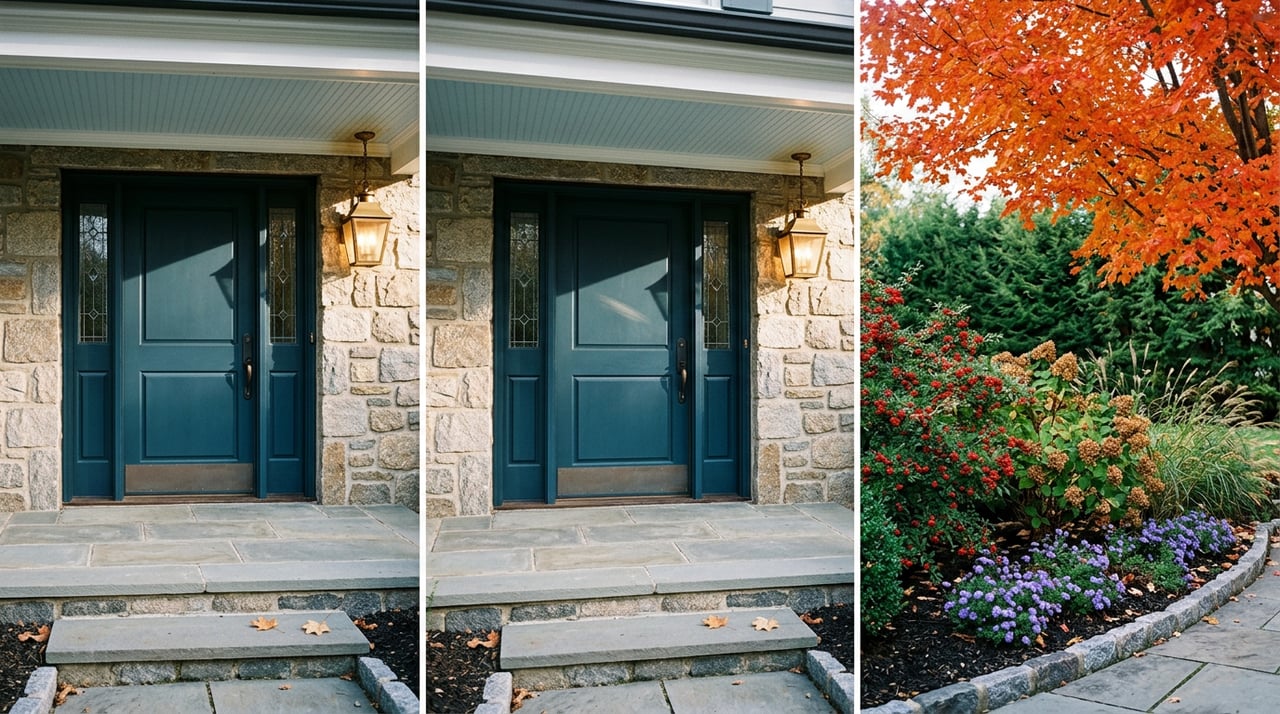
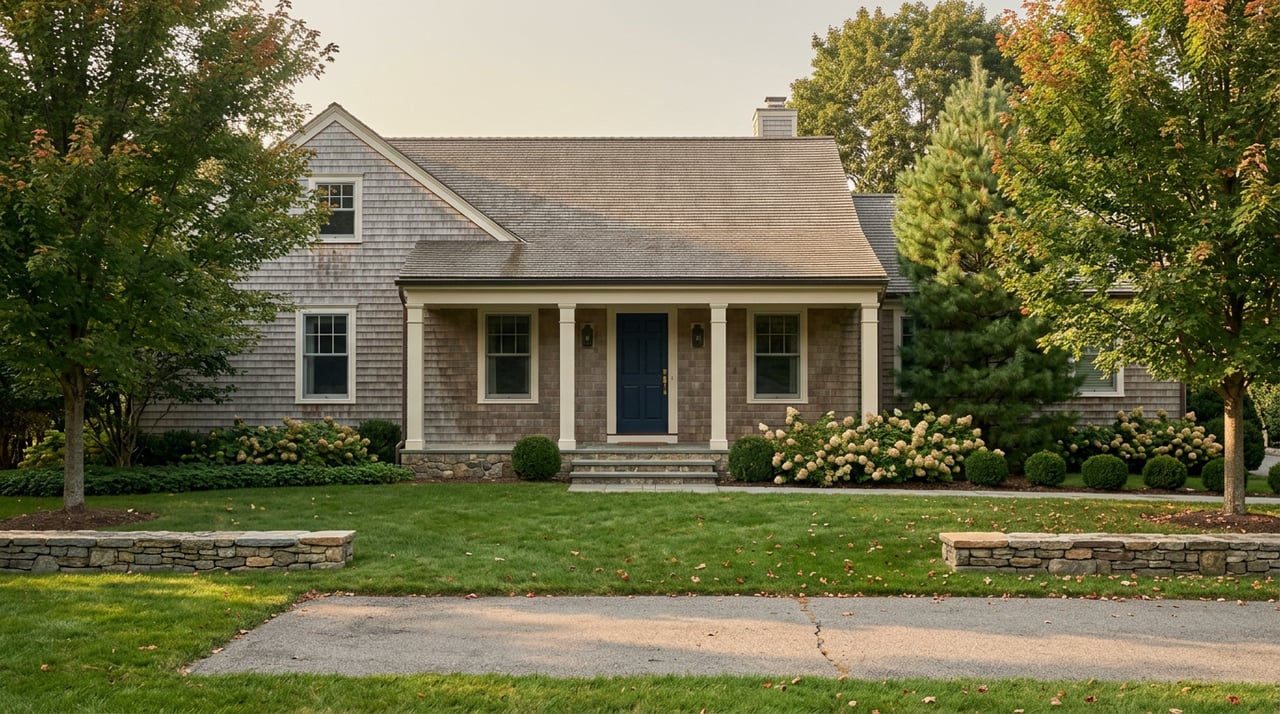
- Visual marketing matters: Spring and summer deliver bright exteriors, green landscapes, and water views, which can elevate presentation and results.
- Showing access: In winter, limit surprises by clearing driveways and ensuring safe access.
- Mortgage process: Interest rates move year-round, but appraisers and underwriters get busy in peak season. Build in extra time for closings from April through August.
- Inspections: Waterfront and rural properties may need added checks for docks, shoreline setbacks, septic systems, or wells. Schedule early so you do not miss your target window.
Where to get current data
- GTAR monthly reports: Use the most recent 12 months to see changes in new listings, days on market, and closed sales.
- Local planning and zoning: Check City of Traverse City and relevant township websites for short-term rental licensing, zoning, and permitting guidelines.
- Rental performance context: Review seasonal occupancy data from reputable short-term-rental analytics providers when valuing STR potential.
How we help you time it right
Your story and timing should drive the plan. If you are selling, a design-led prep process, thoughtful staging, and high-impact photo and video can help you shine during peak months and stand out in off-peak seasons. If you are buying, smart search alerts, early conversations about financing, and a clear offer strategy help you move confidently when the right property hits.
When you are ready to talk strategy for spring, summer, or a quieter fall move, connect with Hillary Voight for a personalized, season-aware plan.
FAQs
What is the best month to list in Traverse City?
- Historically, March through June is the most active period for new listings and buyer traffic in GTAR reports. Listing in March or April helps capture spring demand.
Do Traverse City home prices drop in winter?
- Winter often brings fewer buyers and longer days on market, which can create more room to negotiate. Actual prices still depend on inventory and mortgage rates that year.
Are waterfront homes more seasonal than other properties?
- Yes. Waterfront demand is strongest in spring and early summer as buyers plan for summer use. Late fall and winter can offer more negotiation leverage.
Is fall a good time for buyers to avoid competition?
- Often yes. You may face fewer competing offers in fall, though there are usually fewer new listings. If you need a specific type of home, waiting could limit options.
How do short-term-rental rules affect value and timing?
- Local licensing and zoning can shape STR viability and income potential. Verify city or township rules before relying on projected rental revenue.
Will winter weather delay closing logistics?
- It can. Inspections, appraisals, and walk-throughs may be slower due to weather or holiday schedules. Add time buffers if closing in winter.