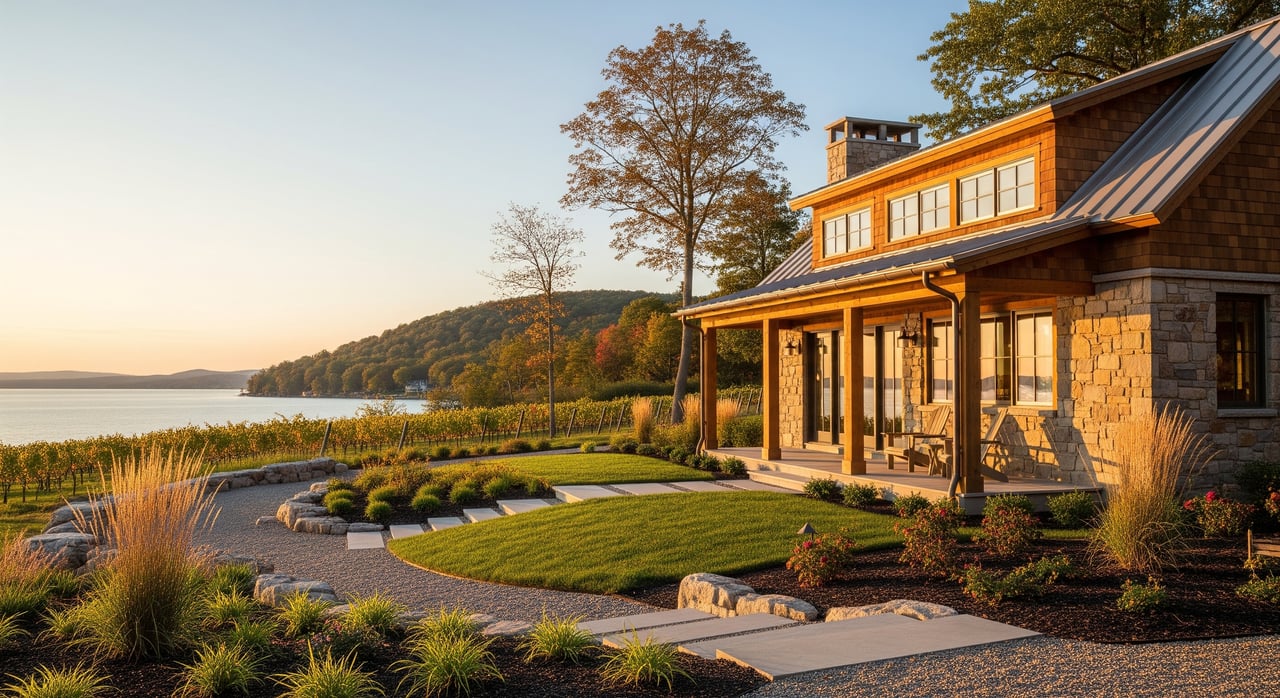
Are you exploring ways to turn a Lake Leelanau area property into steady income without overextending risk? You are not alone. Many owners and patient investors are evaluating an accessory dwelling unit or carriage house to create reliable, long-term rental revenue in Leelanau County. In this guide, you will learn how local zoning and septic rules shape feasibility, how lenders treat rental income, what four-season maintenance really costs, and a step-by-step plan that keeps you compliant and confident. Let’s dive in.
Why long-term rentals near Lake Leelanau
Lake Leelanau is a four-season destination, but rental demand varies by season. Short-term stays peak from late spring through early fall, while winter is quieter. Long-term leases can stabilize your cash flow and make lender qualification easier because the income is predictable and easier to document. If your goal is a steady, compliant income stream, a long-term tenant in an ADU or carriage house is often the most straightforward path.
Zoning and siting: start here
Zoning for ADUs and accessory structures in Leelanau County is set by each township or village. There is no single countywide ADU rule, so your parcel’s jurisdiction is the law that matters. Near the lake, added overlays and shoreline protections can affect where and how you build.
Your first calls should be to the township zoning administrator, Leelanau County Planning and Community Development for maps and contacts, and the county environmental health office for septic and well records. Ask for written confirmation of what is allowed and what approvals are required.
Must-check items for every parcel
- Whether an accessory dwelling unit, guest house, or similar use is allowed in the zoning district
- Maximum unit size, building height, lot coverage, and parking requirements
- Owner-occupancy rules if any, and exterior design standards or scenic corridor overlays
- Shoreland setbacks, vegetation protections, and any conservation or historic-district constraints
- Occupancy limits and bedroom counts tied to septic capacity
- Site-plan, variance, or public-hearing steps and timelines
- Short-term rental rules if you plan seasonal use in the future
Septic, shoreland and lake-specific constraints
Septic capacity is often the decisive factor. County health departments typically tie legal bedroom count to septic design. If the ADU adds bedrooms, you may need an engineered upgrade and new permits. Start by pulling existing septic records and comparing design capacity to your proposed plan.
Shoreland setbacks and vegetation protections are common around lakes. These rules can limit where you place a structure and what trees or vegetation you can remove. Driveway slope, winter access, and off-street parking also matter, especially on narrow or steep lakeshore lots.
Utilities require cold-climate planning. Consider insulated and protected water lines, separate metering if you want tenants to pay utilities directly, and adequate electrical service for two dwellings.
Financing: how lenders count rent
Lenders treat rental income conservatively, and rules vary by loan type and documentation. If you are owner-occupying the property, some programs may allow a portion of ADU rent to help you qualify, especially with a signed lease or rental history. Investment property loans usually require stronger reserves and documentation.
Common options to consider include conventional loans, FHA, renovation loans for a build or conversion, and portfolio loans from local banks or credit unions that understand the Leelanau market. Some investor-focused products underwrite to a debt-service coverage ratio, which can help if your personal income is not the limiting factor.
What underwriters typically look for
- Income history: many lenders prefer two years of Schedule E for established rentals
- For newer rentals: a signed lease, market rent support in the appraisal, and often a 75 percent income factor
- Conservative vacancy assumptions and documented expenses
- Reserves: often 6 to 12 months of payments or operating expenses for second homes or investments
- Appraisal support for market rent, especially in seasonal areas
Short-term rental income is often discounted or requires a longer documented history. Long-term leases are usually easier to count and simpler to manage in winter.
Four-season operations and reserves
Northern Lower Michigan brings heavy snow, freeze and thaw cycles, spring runoff, humid summers, and fall storms. Lake proximity increases humidity and corrosion risks. Plan your materials and maintenance for the climate and the lake.
Key items to schedule and budget:
- Winterization and freeze protection: insulate exposed pipes, add heat tape where needed, and maintain safe indoor temperatures in vacant periods
- HVAC: annual furnace or heat pump service and a pre-summer AC check
- Roof and ice dams: improve attic insulation and ventilation; inspect after major storms
- Septic and well: septic pumping every 3 to 5 years depending on use, and water quality checks as appropriate
- Driveway and access: reliable snow removal and ice management for tenant safety
- Shoreline and dock care where applicable: seasonal install and removal, erosion control, and ice protection
- Exterior finishes: choose materials that resist salt, moisture, and freeze cycles
- Pest prevention: ongoing monitoring and sealing for rodents and seasonal pests
Reserves help you sleep at night. For long-term rentals, target 3 to 6 months of operating expenses. If you depend on seasonal income elsewhere in your portfolio, hold 6 to 12 months to cover winter slowdowns. Add a capital reserve, commonly at least 1 percent of property value per year, and more for older homes or complex lakefront systems.
Taxes, licensing and insurance
Rental income for long-term tenants is typically reported on Schedule E. If you ever consider short-term rentals, local townships may require registration, inspections, or lodging tax collection. Check current local rules before switching strategies.
Update insurance as soon as you rent. A landlord policy or rental dwelling policy is essential, since standard homeowners coverage usually does not apply once you have a tenant. If you are near the lake or in a mapped flood area, consider flood insurance even if your lender does not require it. Umbrella liability can add protection. Require renters insurance in your lease and clarify who handles snow removal and utilities.
Any new construction or conversion must meet local building codes, permits, and inspections. If you are adding bedrooms that affect septic load, coordinate with the health department and state environmental regulators for permits and designs.
Step-by-step blueprint to add an ADU or carriage house
Phase A: Pre-purchase due diligence
- Confirm ADU rules in writing with the township zoning administrator
- Pull septic and well records and compare design capacity to your plan
- Check shoreland overlays and flood maps to identify setbacks or insurance needs
- Ask about site plan review, hearings, or historic or conservation layers
- Gather long-term rental comps and seasonality patterns from local managers
- Speak with two or three lenders about how they will treat ADU rent for your loan type
Phase B: Purchase and design
- Hire an architect or contractor experienced with snow loads, frost-protected footings, and shoreline constraints
- Order soils and septic evaluations and secure engineering if upgrades are required
- Apply for zoning, building, septic, well, and shoreland permits with realistic timelines
- Confirm landlord insurance availability and estimate premiums before you break ground
Phase C: Financing and underwriting
- Choose a product that fits your use, whether owner-occupied or investment
- Prepare documents: tax returns, any Schedule E, signed leases if available, and a conservative rent roll with vacancy
- Build lender-required reserves into your plan, plus your own cushion for off-season cash flow
Phase D: Build or convert and lease
- Use durable, low-maintenance materials suited to lake conditions and winter
- Write leases that address snow removal, winter emergencies, and utilities
- Favor one-year leases to stabilize income and support future refinancing
Phase E: Operate and plan your exit
- Maintain a seasonal calendar for inspections, winterizing, and septic care
- Keep clean financials, leases, and deposit records for future underwriting n- Recheck local rules each year as rental policies evolve
- Preserve value with permitted work and documentation to avoid surprises at sale or refinance
Conservative numbers to run
- Use actual long-term lease rates when possible instead of seasonal projections
- If modeling short-term scenarios, underwrite at 60 to 80 percent of peak summer rates unless you have 24 months of proof
- Assume 5 to 10 percent long-term vacancy
- Hold 6 to 12 months of operating reserves for seasonal liquidity
Common pitfalls to avoid
- Skipping septic verification and discovering a required upgrade mid-project
- Overlooking shoreland setbacks or vegetation rules that limit placement
- Underestimating snow removal, ice management, and winter service calls
- Building without permits, which can block refinancing or reduce resale value
- Failing to document rent collection, which weakens loan approvals and valuations
Who to call as you plan
- Township or village zoning administrator for the parcel’s ordinance and approvals
- Leelanau County Planning and Community Development for maps and planner contacts
- Leelanau County environmental health for septic and well records and permitting
- Michigan Department of Environment, Great Lakes, and Energy for well and onsite sewage approvals and shoreland considerations
- FEMA Flood Map Service Center to check flood risk and insurance needs
- Lender program guides for current underwriting language on rental income
- Michigan State University Extension for septic, shoreline, and seasonal maintenance guidance
Your next step
If you are patient, detail-focused, and excited about the Lake Leelanau lifestyle, an ADU or carriage house can create steady, compliant income over time. Start with zoning and septic capacity, choose financing that fits your plan, build for four seasons, and keep strong reserves and records. This methodical approach helps you avoid surprises and supports long-term value.
Ready to map out your ADU strategy or evaluate a specific property in Leelanau County? Find Happiness at Home — Schedule a Personalized Consultation with Found Realty Co.
FAQs
What is the first step to add an ADU near Lake Leelanau?
- Contact the township zoning administrator and the county environmental health office to confirm ADU allowances and septic capacity in writing.
How do lenders view rental income from a new ADU?
- Many lenders require a signed lease and market rent support, often counting only 75 percent of rent for qualification unless you have a strong rental history.
Do I need to upgrade my septic to add bedrooms in an ADU?
- If the ADU increases total bedrooms beyond your current septic design, a health department review and possible engineered upgrade are typically required.
What size reserves should I hold for a long-term rental in Leelanau County?
- Target 3 to 6 months of operating expenses for long-term rentals and 6 to 12 months if any income is seasonal or you want extra winter cushion.
What insurance should I carry once I rent an accessory unit?
- Switch to a landlord or rental dwelling policy, consider flood coverage if near the lake, add umbrella liability, and require tenant renters insurance.
Are short-term rentals easier to finance than long-term leases?
- Usually not; short-term rental income is often discounted or requires longer history, while long-term leases are simpler for underwriting and cash flow stability.