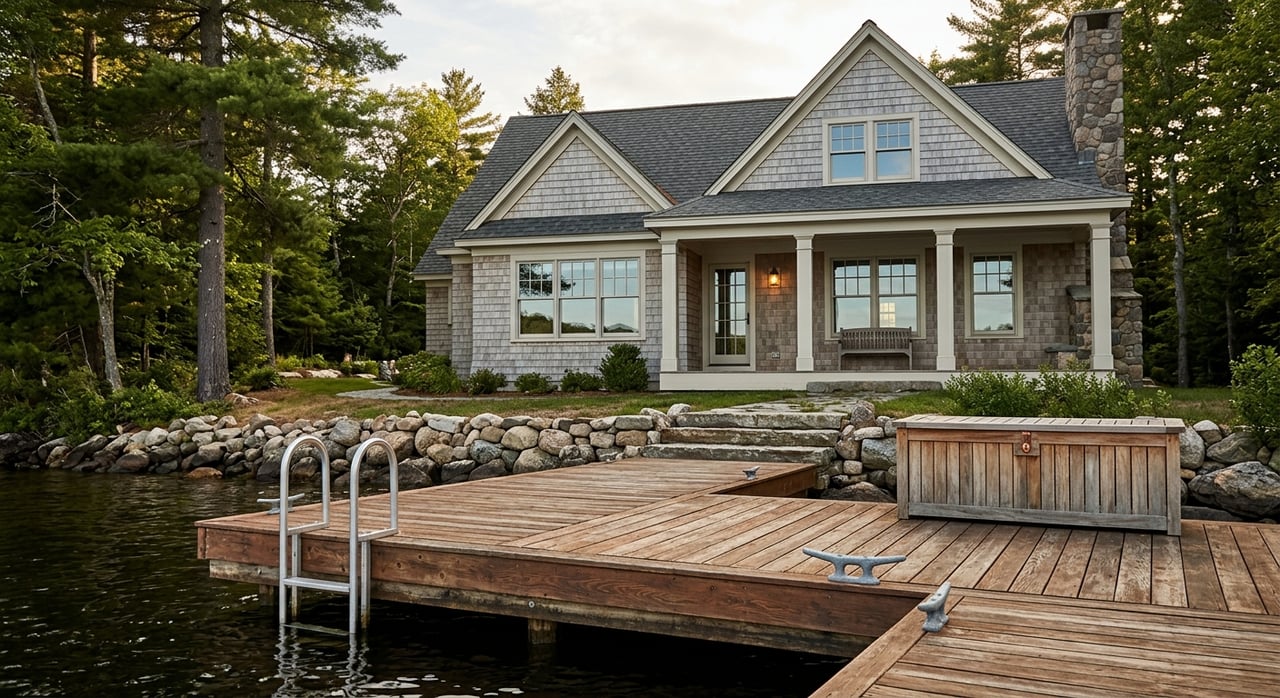
Picture this: you ease away from the dock, coffee in hand, and within minutes Lake Leelanau starts to reveal itself in a whole new way. If you are thinking about boating here, or even wondering what waterfront living feels like from the water, it helps to know how the lake flows, where the slower stretches are, and what makes each section feel distinct. This guide will walk you through the on-the-water character of Lake Leelanau, the stops and scenery that shape a boat day, and a few smart things to know if waterfront ownership is on your radar. Let’s dive in.
Lake Leelanau at a Glance
Lake Leelanau is really two connected lakes: North Lake Leelanau and South Lake Leelanau. They meet at the Narrows near the community of Lake Leelanau along M-204, which gives the whole system a natural rhythm as you move from one basin to the other.
Michigan DNR materials report the full lake at 8,607 surface acres with a maximum depth of 120 feet. South Lake Leelanau alone measures 5,370 acres, reaches 62 feet at its deepest point, averages 23 feet deep, stretches about eight miles long, and includes roughly 25 miles of shoreline.
That size matters when you are out by boat. The lake feels expansive enough for a real cruise, but the connected-basin layout also creates a more varied experience than one wide-open body of water.
Why the Water Feels So Different Here
South Lake Leelanau is described by the DNR as mesotrophic, with deep, clear water and limited plant and algal density. In summer, a thermocline typically forms around 35 to 40 feet, which helps explain why the lake often feels crisp, clear, and open.
From a boating perspective, that translates into a setting that can feel both broad and sheltered. You get room to move, but you are rarely looking at a shoreline that feels flat or repetitive.
Protected natural edges, residential stretches, and everyday public access points all shape the experience. Instead of one continuous band of development, the lake unfolds in pockets.
The Narrows Is the Signature Passage
If there is one stretch that defines boating on Lake Leelanau, it is the Narrows. This iconic wetland connects the two basins and is one of the county’s most recognized landmarks.
The Narrows also has an important practical role on the water. It is a slow-no-wake area, which changes the pace completely and makes the passage feel more intentional than hurried.
That slower movement is part of the charm. It gives you time to notice the landscape, other boaters, and the habitat that makes this corridor such an important part of the lake.
Public Access Makes the Lake Feel Welcoming
One of the nice things about Lake Leelanau is that public boating access is spread around the lake rather than concentrated in one marina district. That creates a more flexible, day-to-day boating pattern depending on where you launch and what kind of outing you want.
DNR boating access sites include:
- North: hard-surfaced launch, limited depth, 8 spaces
- West: hard-surfaced launch, 5 spaces
- East: hard-surfaced launch, 21 spaces
- The Narrows: hard-surfaced launch, 33 spaces
The South Lake fisheries report also notes three public access sites with boat launches and two marinas on that basin. For buyers and second-home shoppers, that is a useful reminder that enjoying the lake does not always start with owning private frontage.
Scenic Stops and Swim Days
A day on Lake Leelanau is not only about cruising from point A to point B. Part of the appeal is how easy it is to mix scenery, swimming, and shore breaks into the same outing.
Bartholomew Park and Nedow’s Bay are often part of that rhythm. County and township materials describe the area as a beach-and-park setting with swimming areas, docks, and a boat launch, which gives the middle of the lake a more relaxed and everyday feel.
That balance is important. Lake Leelanau can feel polished and peaceful, but it does not come across as off-limits or overly formal.
Protected Shoreline Adds to the Experience
Some of the lake’s beauty comes from what has been preserved. Clay Cliffs Natural Area protects 1,700 feet of shoreline on both Lake Leelanau and Lake Michigan and is known for panoramic views.
The Cedar River Preserve protects the full waterway from the mouth of Lake Leelanau to the village of Cedar and keeps it open to the public. Together, these preserved landscapes help create a shoreline experience that feels layered and visually interesting.
When you are on the water, that matters. Natural shoreline breaks up the residential pattern and gives the lake a quieter, more scenic feel.
Leland Makes a Great Off-Water Stop
Leland adds another dimension to the broader Lake Leelanau experience. Township and county materials describe it as a picturesque community between Lake Michigan and Lake Leelanau, with Fishtown’s rustic docks and harbor at the mouth of the Carp River.
For you, that means a boat day can connect easily to a village stroll, a harbor view, or time spent off the water. It turns the lake into more than a single destination and helps explain why this area appeals so strongly to second-home buyers and lifestyle-driven movers.
Fishing Varies by Basin
If boating for you includes casting a line, the two basins offer slightly different reputations. South Lake Leelanau has good populations of walleye, smallmouth bass, northern pike, rock bass, white suckers, and yellow perch according to DNR survey findings.
North Lake Leelanau is listed by the DNR among better fishing waters for lake trout, lake whitefish, rock bass, smallmouth bass, walleye, and yellow perch. That distinction can shape how you use the lake depending on your boat style and your ideal day.
Slow-No-Wake Areas Shape the Lake’s Pace
Part of what keeps Lake Leelanau feeling calm in key stretches is local watercraft control. The Narrows and the Carp River segment into the north arm are identified by the DNR as slow-no-wake water.
This has a real effect on how the lake feels. Instead of every channel becoming a speed corridor, some of the most memorable parts of the system invite slower cruising and more awareness of the shoreline around you.
The Lake Leelanau Lake Association also notes that excessive speed in no-wake areas can erode shorelines and damage docks. It further warns that wake-boat energy in less than 20 feet of water can impact bottomlands and fish habitat.
Boating Etiquette Matters Here
On a lake like this, etiquette is not just about courtesy. It is part of protecting what makes the boating experience appealing in the first place.
A few practical habits go a long way:
- Respect all slow-no-wake areas, especially at the Narrows and Carp River stretch
- Match your speed to shoreline conditions
- Stay aware of docks, shallower areas, and other boaters
- Avoid creating unnecessary wake near shore
The best boating days on Lake Leelanau often come from reading the lake well, not overpowering it.
Aquatic Invasive Species Are Part of Responsible Boating
Lake Leelanau is actively managed for aquatic invasive species, especially Eurasian watermilfoil. The Lake Leelanau Lake Association says it is established in the lake and is most commonly found in 8 to 12 feet of water.
If you see flagged control areas, avoid them. Boaters are also advised not to anchor near the buoys because anchors can tear the control material.
Michigan law requires trailered boats to remove aquatic plants and drain plugs, bilges, and livewells before moving to another body of water. For regular boaters and future waterfront owners alike, that is simply part of using the lake responsibly.
What Buyers Should Know About Waterfront Ownership
If a day on the water has you thinking about owning on Lake Leelanau, it helps to understand that waterfront property comes with its own systems, rules, and maintenance questions. The lifestyle is rewarding, but the details matter.
One of the biggest items is shoreline improvement and boating infrastructure. According to EGLE, inland lake projects may require review for dredging, filling, shoreline protection, structures on bottomlands, marina construction or expansion, and permanent docks and boat hoists.
That means you should never assume an existing setup can be changed without review. If you are shopping waterfront, it is smart to ask early about permits, past shoreline work, and what may be possible in the future.
Septic and Water Quality Questions Matter
Septic systems are another key part of waterfront due diligence. EGLE states that proper septic use and routine care are important to protecting groundwater and lakes, and failing systems can affect water quality.
If you are considering a purchase, ask about:
- Septic system age
- Maintenance history
- Inspection records
- Any repairs or replacement work
Those questions are practical for any buyer, but they matter even more on or near the water.
Lake Levels Are Part of Daily Life
On Lake Leelanau, water levels are not just background information. The lake is raised and lowered seasonally under a court order, with the level raised to 589.21 feet after April 15 or last ice, and lowered to 588.21 feet after November 15.
Lake levels are measured and tracked locally from the dam, the Narrows, and the south end. For homeowners, that can affect dock height, boat lift depth, swim access, and winter storage planning.
If you are exploring waterfront homes, this is one of those local details that can make a real difference in how a property functions from season to season.
Stewardship Is Part of the Culture
The broader lake community is active and engaged. The Lake Leelanau Lake Association focuses on water quality, lakeshore protection, boating safety, fishing, swimmer’s itch education, and aquatic invasive species across an 89,000-acre watershed.
For buyers, that often signals something positive. It suggests you are stepping into a lake community that values shared use, shoreline care, and thoughtful stewardship.
That culture tends to support the long-term appeal of the lake. It also helps explain why so many people feel connected to this place beyond the property lines.
Why Lake Leelanau Shows Best by Boat
There are some waterfront areas you can understand from a map, and others you really need to experience from the water. Lake Leelanau is the second kind.
By boat, you notice the shift from open water to the Narrows, from residential shoreline to protected natural edges, from casual swim stops to a broader village-and-harbor lifestyle loop. You also start to understand the practical side of ownership, from lake levels to docks to responsible boating.
If you are considering a home, a second home, or a future move near Lake Leelanau, seeing the shoreline by boat can give you a more complete picture of how life here actually feels. When you are ready to explore that lifestyle with local guidance, connect with Hillary Voight for a personalized consultation.
FAQs
What is the Narrows on Lake Leelanau?
- The Narrows is the channel that connects North Lake Leelanau and South Lake Leelanau near the community of Lake Leelanau, and it is also a slow-no-wake area.
Are there public boat launches on Lake Leelanau?
- Yes. DNR access sites include North, West, East, and The Narrows, with hard-surfaced launches and varying parking capacity.
What makes boating on Lake Leelanau feel different?
- Lake Leelanau combines two connected basins, clear deep water, slower passage through the Narrows, public access points, and a mix of residential and protected shoreline.
What fish are found in North and South Lake Leelanau?
- South Lake Leelanau is known for species including walleye, smallmouth bass, northern pike, and yellow perch, while North Lake Leelanau is noted for lake trout, lake whitefish, walleye, smallmouth bass, and yellow perch.
What should buyers ask about Lake Leelanau waterfront homes?
- You should ask about dock and hoist permits, any dredging or shoreline work, septic age and maintenance history, and how seasonal lake levels affect access and storage.
Are there boating rules for invasive species on Lake Leelanau?
- Yes. Boaters should avoid flagged Eurasian watermilfoil control areas, avoid anchoring near control buoys, and remove aquatic plants and drain plugs, bilges, and livewells before moving to another water body.